

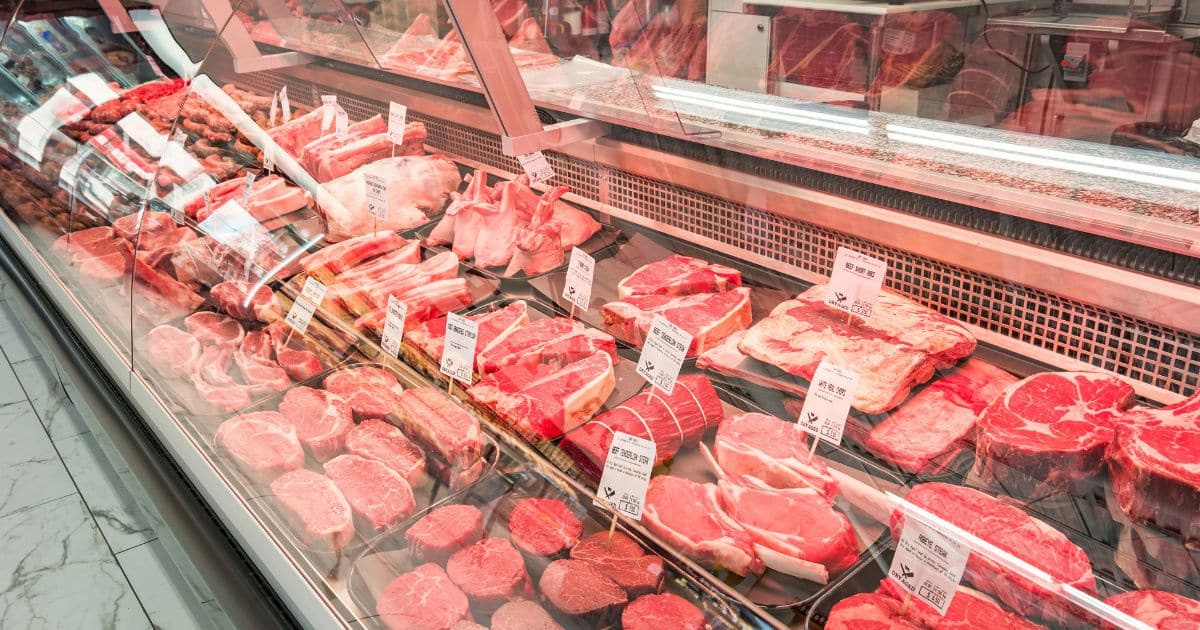
Warehouse retailers offer consistency, perceived savings, and convenience that fit modern lifestyles, which is why beef remains one of the most frequently purchased items in bulk. Beef is filling, adaptable to many recipes, and easy to freeze or portion, making it attractive for families and individuals alike. The challenge does not lie in beef consumption itself, but in the widespread assumption that all beef is fundamentally the same when evaluated only through price and protein content.
When purchasing meat that will be eaten repeatedly, sourcing and production methods become far more relevant than most consumers realize. Slight differences in how animals are raised, fed, and processed can compound over time when beef is a dietary staple. What initially appears to be a wise financial decision can quietly influence long-term health outcomes if quality is consistently compromised. Understanding how to evaluate beef beyond surface-level labeling enables bulk buying that supports cellular health.
Beef as a Biological Reflection of Its Environment
Animal-based foods are unique in that they directly reflect the conditions in which the animals lived. Beef carries biochemical signals from the feed consumed, the water sources accessed, the medications administered, and the environmental exposures encountered throughout the animal’s life. Unlike many plant foods, which may be washed or processed to remove some residues, animal tissues can retain and concentrate contaminants over time. This process, known as bioaccumulation, means that repeated exposure at the animal level can translate into higher concentrations in the final food product.
From a cellular health perspective, this distinction matters. Beef sourced from animals raised on diverse pastures with minimal chemical inputs tends to present a different nutrient and fat profile than beef produced in confined industrial systems. When cattle are raised in feedlots and finished on grain-based diets, the resulting meat often reflects that metabolic environment. These differences are subtle in a single serving, but meaningful when beef is consumed multiple times per week over many years.
The Long-Term Health Implications of Beef Quality
Beef should not be viewed as a nutritionally neutral source of protein. The type of fat, micronutrient content, and chemical burden carried by the meat all influence how it interacts with the body. Pasture-based systems typically produce beef with a more favorable fatty acid profile, including higher levels of omega-3 fatty acids and conjugated linoleic acid. These components are associated with lower levels of inflammatory signaling than those in the fat profiles of conventionally raised, grain-fed cattle.
Industrial production systems often rely on feed crops treated with herbicides and pesticides, along with routine antibiotic use to manage disease risk in crowded environments. While regulatory thresholds exist, chronic exposure to low levels of these inputs is rarely evaluated in the context of cumulative dietary intake. For individuals who consume beef occasionally, the impact may be minimal. For those who rely on meat as a frequent protein source, the cumulative exposure becomes far more relevant to long-term metabolic and inflammatory health.
How Bulk Purchasing Magnifies Dietary Patterns
Buying in bulk changes eating behavior in subtle but important ways. When food is readily available in large quantities, it reduces the need to make repeated purchasing decisions, thereby simplifying daily life. However, this convenience also amplifies the consequences of the initial choice. A single decision made in the warehouse aisle can shape dozens of meals over weeks or months.
If bulk purchases prioritize cost over quality, that compromise becomes embedded in daily nutrition. Repetition turns marginal differences into sustained exposure, whether beneficial or harmful. Bulk buying can be a powerful tool for supporting health when applied thoughtfully, but it can also reinforce patterns that quietly undermine cellular resilience when quality is overlooked.
Why Lean Ground Beef Deserves Closer Scrutiny
One of the most popular beef products in warehouse stores is lean ground beef packaged in large plastic tubes. These products are marketed as affordable, high-protein staples ideal for meal preparation and fitness-focused diets. At first glance, they appear to check all the right boxes: low-fat, versatile, and inexpensive. A deeper examination, however, reveals several concerns that are not immediately obvious from the label.
Many of these products list multiple countries of origin, sometimes spanning several continents. This means beef from different regulatory environments, agricultural practices, and feed standards is combined into a single product. Each additional source introduces variability in pesticide use, veterinary drug allowances, and environmental exposure limits. When meat from these systems is blended, traceability is reduced, and consumers inherit the cumulative uncertainties of the individual production models.
The Hidden Costs of Blended Sourcing
Blended sourcing creates challenges beyond simple transparency. Different countries permit different agricultural chemicals and feed additives, some of which may be restricted elsewhere. While each source may meet its own regulatory requirements, the final product reflects the overlap of all these systems. This complexity makes it difficult to assess the meat’s exposure profile accurately.
For individuals concerned with reducing their overall toxic burden, this lack of clarity matters. Consistent consumption of blended-source beef increases the likelihood of repeated exposure to a broader range of agricultural residues. Over time, this can contribute to subtle metabolic stress that is rarely directly attributed to diet, but that still influences cellular function.
Packaging as an Overlooked Variable
The plastic tubes commonly used for lean ground beef introduce an additional consideration. Soft plastic packaging can contain compounds that migrate into food, particularly when exposed to temperature changes during transport, storage, or freezing. While regulatory standards exist for food-contact materials, they are based on isolated exposures.
When beef is stored for extended periods in plastic and consumed regularly, even low-level chemical migration becomes more relevant. These exposures are rarely discussed in the context of dietary health, yet they contribute to the overall chemical load the body must process. From a cellular health standpoint, minimizing unnecessary exposures wherever possible supports more efficient detoxification and metabolic balance.
Lean Does Not Automatically Equal Low Risk
The emphasis on lean meat has led many consumers to assume that lower fat content equates to a healthier product. Lean simply describes the fat-to-protein ratio and provides no insight into how the animal was raised or what it was exposed to. While fat can store certain toxins, lean muscle tissue still reflects the animal’s environment, including contaminants present in feed and water.
Focusing exclusively on macronutrient ratios overlooks the broader nutritional and toxicological context. Protein quality is influenced by amino acid balance, micronutrient content, and the absence of inflammatory triggers. Evaluating beef solely on fat percentage ignores these critical factors that determine how the food supports or challenges cellular health.
Evaluating Grass-Fed Beef From Overseas Sources
Grass-fed beef imported from countries such as New Zealand is often positioned as a superior alternative to conventional domestic options. In many respects, this reputation is justified. New Zealand maintains strict regulations on genetically modified organisms, and most cattle spend most of their lives on pasture. This production model generally results in lower reliance on grain-based feeds and reduced exposure to certain agricultural chemicals.
However, grass-fed labeling does not always guarantee grass finishing. Some animals receive supplemental feed during the final stages of growth, which can alter fat composition and exposure profiles. Without explicit confirmation of practice completion, uncertainty remains. While this type of beef is often a reasonable middle-ground option, it should not automatically be assumed to represent the highest possible standard without additional context.
Understanding the Spectrum of Grass-Fed Claims
The term “grass-fed” is not always used consistently across regions or producers. In some cases, it refers to the primary diet rather than the exclusive diet throughout the animal’s life. Finishing practices matter because they influence the final nutrient profile of the meat, including fatty acid balance and micronutrient density.
Consumers seeking to optimize long-term health outcomes benefit from recognizing these nuances. Imported grass-fed beef can reduce exposure compared to conventional feedlot products, but it still falls in the middle of the quality spectrum.
Why 100 Percent Grass-Fed Beef Patties Stand Out
Among bulk beef options, products clearly labeled as 100 percent grass-fed and grass-finished tend to offer the most consistency. These items are typically produced without routine antibiotics, added hormones, or grain supplementation. Clear labeling reduces uncertainty and allows consumers to assess better what they are bringing into their kitchens.
From a nutritional standpoint, grass-fed beef generally contains a more favorable omega-3 to omega-6 fatty acid ratio. This balance supports healthier inflammatory signaling and aligns more closely with ancestral dietary patterns. Additionally, grass-fed beef often provides higher levels of certain micronutrients, including vitamin E and carotenoids, which contribute to cellular protection.
Simplifying Choices to Support Consistency
One advantage of choosing clearly labeled, high-quality beef patties is reduced decision fatigue. When sourcing standards are transparent, consumers can rely on the product without repeatedly reassessing its quality. This consistency is especially valuable for individuals who consume beef regularly and want to minimize variability in their exposure profile.
By selecting products that align with long-term health goals, bulk buying becomes a tool for stability. Knowing what is in the freezer makes it easier to adhere to dietary intentions without constant scrutiny.
The Delayed Costs of Inexpensive Beef
Food costs are typically evaluated at the point of purchase, yet the actual cost of dietary choices often emerges gradually. Chronic exposure to inflammatory fats, agricultural residues, and environmental contaminants does not usually produce immediate symptoms. Instead, it accumulates quietly, influencing metabolic efficiency, immune balance, and cellular repair processes over time.
Cheaper beef may reduce grocery bills in the short term, but it can increase biological stress that manifests years later. Supporting the body with cleaner inputs reduces the burden placed on detoxification systems. It helps maintain a more resilient internal environment. From this perspective, modestly higher food costs can translate into meaningful long-term savings in health-related resources.
Redefining Value Beyond Price Per Pound
Evaluating food value requires a broader lens than cost alone. Nutrient density, sourcing transparency, and the absence of unnecessary chemical exposure all contribute to a product’s actual value. When these factors are considered, the least expensive option often delivers the lowest overall value.
Consuming smaller portions of higher-quality beef can provide greater nutritional benefits than larger portions of compromised meat. This approach often leads to greater satisfaction and improved metabolic outcomes without dramatically increasing overall food spending. Value, in this context, is measured by how well a food supports cellular function rather than how cheaply it fills the plate.
Making Thoughtful Choices in Warehouse Stores
Warehouse retailers can still play a role in a low-tox, health-supportive lifestyle when approached selectively. The key lies in reading labels carefully and prioritizing products with clear sourcing information and minimal processing. Avoiding items with vague country-of-origin listings and excessive packaging reduces unnecessary exposure and uncertainty.
Thoughtful choices in the meat aisle extend their impact far beyond the freezer, shaping daily nutrition and long-term health outcomes in subtle but significant ways.
References:
- Davis H, Magistrali A, Butler G, Stergiadis S. Nutritional Benefits from Fatty Acids in Organic and Grass-Fed Beef. Foods. 2022 Feb 23;11(5):646. doi:10.3390/foods11050646. PMID: 35267281; PMCID: PMC8909876. Available from:https://www.ncbi.nlm.nih.gov/pmc/articles/PMC8909876/