

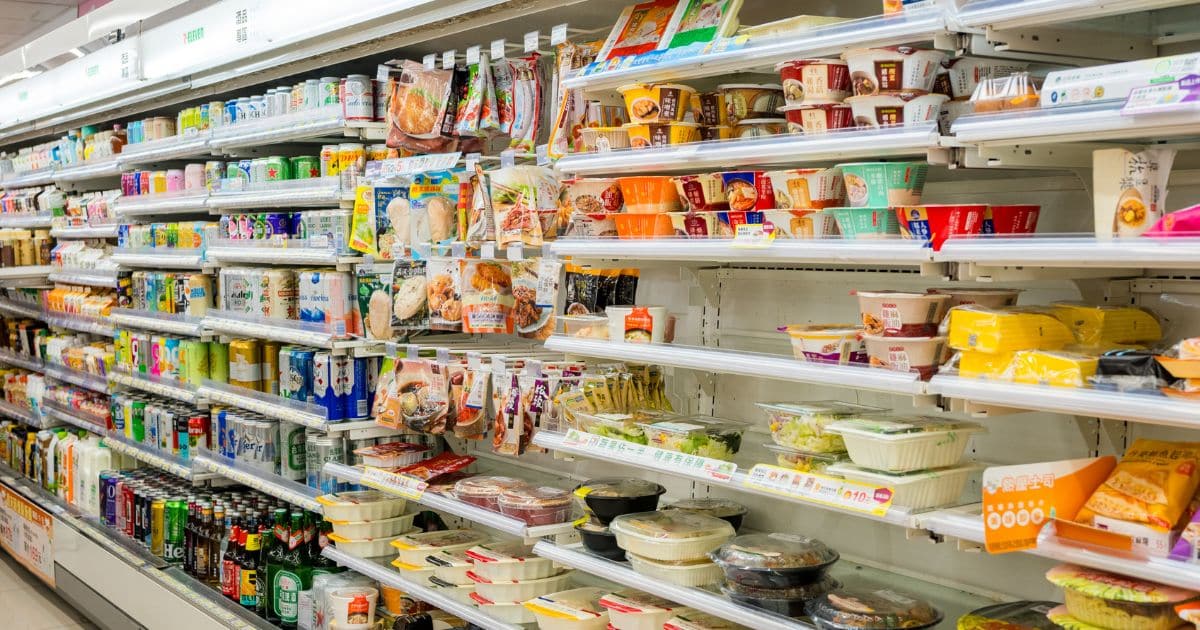
Retailers that specialize in bulk goods often appeal to shoppers by offering ready-to-eat meals, individually packaged snacks, and easy-to-prepare items designed to simplify busy schedules. For many households, these products appear to be practical solutions that save both time and effort during meal preparation. However, convenience-driven foods often rely on packaging materials and preservation methods that prioritize shelf stability over biological compatibility. The materials used to store, transport, and heat these foods can introduce chemical exposures that are not immediately visible to consumers.
When evaluating convenience foods from a health-conscious or non-toxic perspective, it becomes clear that certain widely used products deserve greater scrutiny. Many items that appear harmless on the surface may actually involve packaging components that release microscopic particles or chemical residues into food and beverages. Understanding these hidden factors helps individuals make more informed decisions about which convenience items are worth keeping in the kitchen and which may be better replaced with safer alternatives.
The Hidden Role of Food Packaging in Everyday Exposure
Food packaging is one of the most overlooked sources of environmental chemical exposure in the modern diet. While the focus of healthy eating often centers on ingredient lists and nutritional labels, the containers holding those foods are rarely examined with the same level of attention. Packaging materials are frequently engineered to improve durability, maintain freshness, and extend shelf life during transportation and storage. To achieve these goals, manufacturers often incorporate plastics, polymer coatings, adhesives, and chemical stabilizers into food-contact containers. When these materials come into contact with heat, moisture, or acidic ingredients, small amounts of chemical compounds may migrate into the food.
In the context of non-toxic living, reducing exposure from packaging is considered just as important as selecting high-quality ingredients. Awareness of how certain materials behave under different conditions, particularly heat, can help consumers reduce unnecessary chemical contact in the kitchen.
Tea Bags and the Unexpected Source of Microplastics
Tea has long been associated with simplicity and wellness, often considered one of the most natural beverages. Many varieties are marketed as organic or herbal, which reinforces the perception that drinking tea is an inherently clean habit. However, the materials used to manufacture tea bags have become a growing concern among researchers and environmental health advocates. A large number of commercial tea bags are produced using synthetic fibers such as nylon or polypropylene, while others rely on plastic-based adhesives to seal the bags closed. When hot water is poured over these materials, the heat can cause them to release microscopic plastic fragments into the beverage.
Research examining these products has demonstrated that a single tea bag may release extremely large quantities of microplastic particles when steeped in boiling water. Although the tea leaves themselves may be cultivated organically, the bag surrounding them can introduce contaminants that undermine the intended health benefits. Microplastics are small enough to enter biological systems, and ongoing research is investigating their potential effects on metabolism, inflammation, and cellular function.
A practical solution involves selecting loose-leaf tea varieties and preparing them with stainless steel or glass infusers. Some tea companies have also begun producing bags made entirely from plant-based fibers without synthetic sealing materials, offering consumers a safer brewing option.
Microwave Popcorn and the Concern Around PFAS
Microwave popcorn is often promoted as a quick, convenient snack that can be prepared in minutes. The kernels themselves are relatively simple agricultural products, and many brands offer organic versions that appear to be healthier alternatives to conventional snack foods. The challenge arises not from the corn but from the packaging designed to withstand high temperatures inside the microwave.
Many microwave popcorn bags are coated with chemical compounds known as PFAS, which stands for per- and polyfluoroalkyl substances. These chemicals are widely used in food packaging because they resist grease and prevent oil from soaking through paper materials. PFAS compounds are sometimes referred to as “forever chemicals” because they do not easily break down in the environment or within biological systems. When microwave popcorn is heated, these substances can migrate from the bag into the popcorn itself. Scientific studies have linked PFAS exposure to several health concerns, including disruptions in hormone signaling, immune dysfunction, and metabolic changes. Although occasional exposure may not pose an immediate risk, repeated consumption of foods packaged in PFAS-lined containers can contribute to long-term accumulation.
Preparing popcorn on the stovetop with loose kernels offers a simple and effective alternative that eliminates the need for chemical-treated packaging while maintaining the enjoyment of a familiar snack.
Canned Foods and Chemical Linings Inside Metal Containers
Canned foods have long been valued for their convenience, affordability, and extended shelf life. Items such as beans, vegetables, soups, and sauces are commonly stocked in pantry shelves because they remain stable for long periods without refrigeration. While the food itself may be nutritious, the interior lining of many metal cans introduces another potential source of chemical exposure. To prevent corrosion and maintain the integrity of the metal, most cans are coated internally with polymer-based linings. Historically, many of these coatings contained bisphenol A (BPA), a compound widely studied for its endocrine-disrupting properties. Although some manufacturers have replaced BPA with alternative compounds, many substitutes share similar structural characteristics and may produce comparable biological effects.
Bisphenols can migrate from the lining into food, particularly when the contents are acidic or when the food is stored for extended periods. Foods such as tomatoes, citrus-based sauces, and soups are especially prone to interacting with these coatings. Endocrine disruptors can interfere with the body’s hormonal signaling systems, which regulate metabolism, reproduction, and numerous physiological processes.
Choosing foods packaged in glass jars provides one way to minimize exposure to can linings. Frozen produce also offers a practical option, as it avoids the need for long-term storage in chemically treated containers while retaining nutritional quality.
Single-Serve Coffee Pods and Plastic Exposure During Brewing
Coffee pods designed for single-serving brewing systems have become extremely popular due to their simplicity and consistency. These products allow individuals to prepare a cup of coffee quickly without grinding beans or measuring grounds. Despite their convenience, single-use coffee pods combine several factors that can increase chemical exposure during brewing. Most pods are made of plastic, contain paper filters, and have aluminum components sealed together. During the brewing process, hot water passes through the plastic capsule under pressure while extracting compounds from the coffee grounds. Heat, moisture, and pressure can promote the release of microplastics or chemical additives from the plastic housing.
Because coffee naturally contains oils and organic acids, it can interact with surrounding materials during extraction. Over time, repeated exposure to heated plastic during daily coffee preparation may contribute to the ingestion of unwanted chemical residues. Alternative brewing methods, such as glass pour-over systems, stainless steel filters, or French presses, avoid plastic entirely while often producing a richer and more aromatic cup of coffee. These methods require minimal equipment and allow you to enjoy coffee without relying on disposable plastic capsules.
Instant Noodle Cups and Heat-Related Chemical Migration
Instant noodle cups represent another example of convenience-focused food design. These products are marketed as quick meals that require only boiling water, making them particularly popular among students and busy professionals. The containers used for these noodles are often made from foam or lined with paper and plastic coatings to prevent leaks and maintain structural stability. When boiling water is poured directly into these containers, the combination of heat and liquid can cause chemicals within the packaging to migrate into the food.
Compounds such as styrene, commonly associated with certain foam materials, may be released under these conditions. In addition to packaging concerns, instant noodles themselves are often highly processed and contain flavor packets with elevated sodium levels and artificial additives. While these meals are designed for speed, they may offer limited nutritional value and introduce unnecessary chemical exposure through their packaging. Preparing noodles in a separate pot or heat-safe container can significantly reduce the likelihood of packaging-related contamination. Homemade or minimally processed noodle dishes can also be assembled quickly using simple ingredients such as broth, vegetables, and whole-grain noodles.
Convenience Foods and Cumulative Chemical Exposure
The appeal of convenience foods lies in their ability to reduce preparation time and simplify meal planning. In modern lifestyles where schedules are often crowded, products that eliminate steps in cooking can feel like valuable time-saving tools. However, the systems that enable these foods often rely on packaging technologies that are not designed with long-term human health as the primary consideration. Heat, acidity, and moisture are common conditions in food preparation, and they can accelerate the migration of chemicals from packaging into food.
Balancing Practicality and Health in the Modern Kitchen
Eliminating convenience from the diet is rarely realistic, particularly for individuals balancing work, family responsibilities, and other daily demands. The goal of a health-conscious kitchen is not to remove every packaged product but to become more selective about which ones are used regularly. Small adjustments can significantly reduce exposure to unnecessary chemicals without drastically changing eating habits. Switching from tea bags to loose-leaf tea, preparing popcorn on the stovetop, or choosing coffee brewed without plastic components are simple examples of practical changes. These adjustments require minimal effort yet remove several common exposure pathways from everyday routines. Over time, such choices can create a kitchen environment that better supports long-term health.
Creating a More Thoughtful Pantry Strategy
A well-stocked pantry can still include convenient foods while prioritizing safer packaging and preparation methods. Selecting products packaged in glass, stainless steel, or untreated paper reduces the likelihood of chemical migration compared with plastic-lined containers. Frozen foods can also serve as useful alternatives because they preserve ingredients without the need for chemical preservatives or specialized coatings. Whole ingredients, such as grains, legumes, herbs, and spices, offer flexibility in meal preparation while avoiding many of the additives found in heavily processed foods. Large warehouse stores can still serve as valuable shopping destinations when purchases are made with awareness and discernment. Bulk purchasing need not conflict with health-conscious decision-making when attention is paid to both the food and the materials surrounding it.
Convenience that Supports Health
When packaging materials come into contact with heat, liquids, or acidic foods, they can introduce compounds that may affect metabolic and hormonal balance over time. Becoming aware of these hidden interactions allows individuals to evaluate everyday products with a more critical perspective. By making thoughtful substitutions and paying attention to packaging materials, it is possible to maintain convenience while reducing exposure to potentially harmful substances.
References:
- Zhang X, Yu C, Wang P, Yang C. Microplastics and human health: Unraveling the toxicological pathways and implications for public health. Frontiers in Public Health. 2025;13:1567200. doi: 10.3389/fpubh.2025.1567200
- Vitale M, Costabile G, Testa R, D’Abbronzo G, Nettore IC, Macchia PE, Giacco R. Ultra-processed foods and human health: A systematic review and meta-analysis of prospective cohort studies. Adv Nutr. 2024 Jan;15(1):100121. doi: 10.1016/j.advnut.2023.09.009. Epub 2023 Dec 18. PMID: 38245358; PMCID: PMC10831891.