

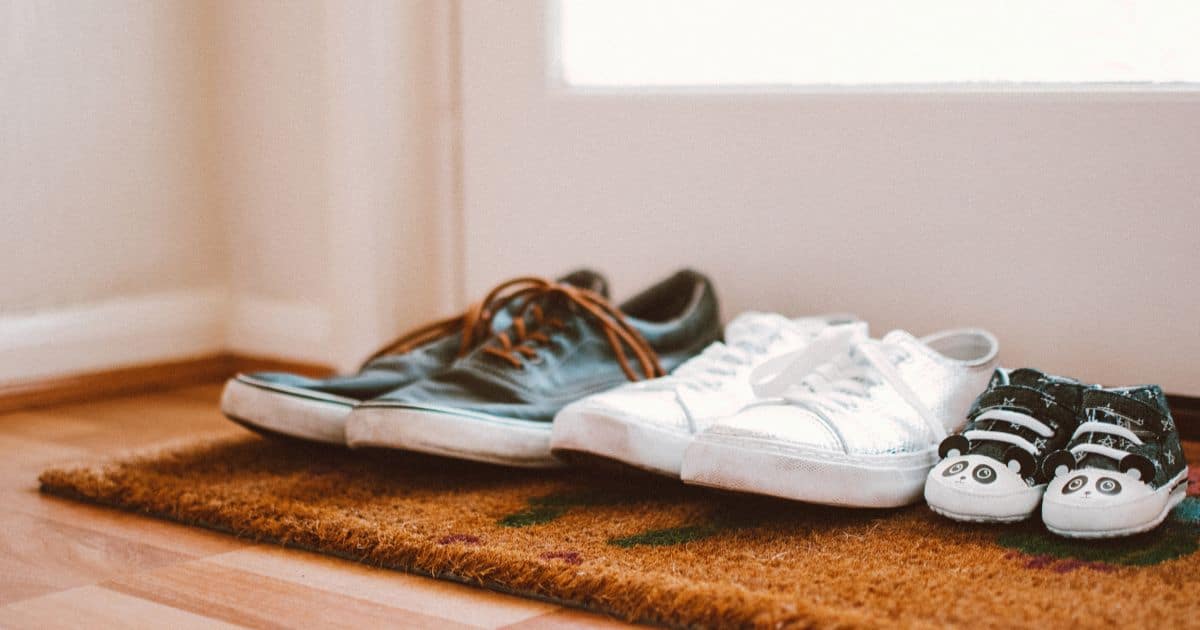
In many modern households, wearing outdoor shoes indoors is considered a normal and convenient practice, often done without a second thought. Floors may appear visually clean, reinforcing the assumption that no significant contamination has been introduced. However, what is not immediately visible is the complex mixture of biological and chemical residues that accumulate on footwear throughout the day. Each step taken outdoors exposes shoes to a wide range of environments, many of which contain contaminants that are not easily removed or seen.
When those shoes cross the threshold into indoor spaces, they act as carriers, transferring these substances onto floors and surfaces. This process happens repeatedly, often multiple times per day, gradually increasing the overall burden of indoor pollutants. While the impact of a single instance may seem negligible, the cumulative effect over time can be substantial. Addressing this overlooked pathway offers an opportunity to significantly reduce exposure without requiring major lifestyle changes. Establishing simple boundaries between outdoor and indoor environments can play a meaningful role in maintaining a cleaner living space.
Understanding the Contaminant Load Carried on Footwear
The underside of a shoe is frequently exposed to some of the most contaminated surfaces encountered in daily life, making it a significant vector for bringing unwanted substances indoors. Research has shown that footwear can harbor a variety of microorganisms, including bacteria commonly found in contaminated environments. These microbes are not limited to extreme conditions but are acquired through routine activities such as walking on sidewalks, entering public buildings, or using shared facilities. In addition to biological contaminants, shoes also come into contact with chemical residues that persist in the environment. Substances such as pesticides and herbicides applied to lawns, parks, and landscaped areas are designed to remain active over time, allowing them to adhere easily to surfaces like rubber or leather soles.
Urban settings introduce additional layers of exposure, as roadways and parking areas contain petroleum-derived compounds that can transfer onto footwear. These residues may include byproducts of vehicle emissions, oil leaks, and industrial pollutants that accumulate on paved surfaces. Microplastics, which have become pervasive in both natural and built environments, are also present on the ground and can attach to shoes without detection. Furthermore, heavy metals from construction, traffic, and industrial activity may be present in outdoor dust and debris. Although these contaminants are often invisible, they collectively contribute to what is brought into the home with each step.
How Contaminants Spread Throughout Indoor Spaces
A common misconception is that contaminants carried in on shoes remain confined to entryways or immediately adjacent areas. In reality, particles are easily dispersed throughout the home as individuals move from room to room. Each footstep deposits microscopic debris onto flooring surfaces, where it can become embedded in carpets, rugs, and even the small crevices of hard flooring. Over time, these particles accumulate and are redistributed through normal household activities. Actions such as walking, sitting, or even routine cleaning can disturb settled particles, allowing them to become airborne once again. This process contributes to a cycle in which contaminants are not only present on surfaces but also circulate within indoor air. Soft furnishings, including couches, bedding, and upholstered items, can absorb and retain these particles, further expanding their reach. Contact with these surfaces allows contaminants to transfer onto skin, clothing, and hands, increasing the likelihood of ingestion or inhalation. As a result, exposure is not limited to direct contact with floors but extends to multiple pathways within the indoor environment. Even homes that appear well-maintained can harbor significant levels of unseen residues due to this continuous redistribution.
Why Reducing This Exposure Pathway Matters
Efforts to create a healthier indoor environment often focus on visible changes, such as selecting non-toxic cleaning products or investing in air purification systems. While these strategies can be beneficial, they may overlook simpler and more immediate sources of contamination. Footwear represents a direct and consistent pathway for outdoor pollutants to enter the home, making it a critical factor to address. Unlike occasional exposures, this pathway is active daily, often multiple times per day. The significance lies in the cumulative nature of exposure, as repeated introduction of small amounts of contaminants can build up over time. This ongoing accumulation may contribute to an increased overall burden on the body, particularly for individuals with sensitivities or preexisting conditions. Those with respiratory concerns, allergies, or compromised immune systems may be more susceptible to the effects of indoor pollutants. Even in the absence of noticeable symptoms, reducing unnecessary exposure supports a more controlled and balanced living environment. Addressing this single habit can therefore have a disproportionate impact relative to the effort required.
Establishing a Shoe-Free Indoor Environment
Removing shoes at the home’s entrance is one of the most effective and accessible strategies for limiting the introduction of outdoor contaminants. This practice creates a clear boundary between external and internal environments, preventing a significant portion of pollutants from entering in the first place. Unlike many other interventions, it does not require specialized equipment, financial investment, or ongoing maintenance beyond habit formation. The effectiveness of this approach lies in its simplicity and consistency, as it directly interrupts the transfer of contaminants at the source. Creating a designated footwear area near the entryway can help reinforce this behavior and make it easier to adopt. Over time, this routine becomes automatic, reducing the likelihood of lapses or inconsistencies. For households that frequently host guests, providing a comfortable and organized space for shoes can help normalize the practice. Offering alternatives, such as indoor slippers, can enhance comfort and encourage compliance. By integrating this habit into daily life, it becomes a sustainable, low-effort way to reduce indoor contamination.
Enhancing the Impact with Complementary Practices
While removing shoes is a foundational step, additional measures can further support a cleaner indoor environment. Wearing indoor-only footwear helps maintain comfort while preventing contaminants from the outside from being reintroduced. Regular cleaning of entryway surfaces can capture any residual debris that may have been transferred before shoes were removed. For homes with carpeting, consistent vacuuming using a system equipped with an effective filtration mechanism can help reduce the buildup of fine particles. Hard flooring can benefit from routine mopping with low-toxic cleaning solutions that remove residues without introducing additional chemicals. These practices work together to reinforce the benefits of a shoe-free policy, creating multiple layers of protection against indoor contamination. These measures must remain manageable and sustainable, as consistency is more impactful than intensity. Small, repeated actions tend to yield better long-term results than occasional, large-scale efforts. By combining simple habits with supportive routines, it becomes possible to maintain a cleaner environment with minimal disruption to daily life.
Redefining Cleanliness Beyond Visual Appearance
The perception of cleanliness is often based on what can be seen, such as the absence of dust, stains, or visible debris. However, this visual assessment does not account for the microscopic particles and residues that may still be present. A floor can appear spotless while harboring a range of contaminants introduced from external sources. This discrepancy highlights the importance of preventative measures that address contamination before it accumulates. Removing shoes at the door shifts the focus from reactive cleaning to proactive management of indoor environments. By limiting what enters the home, it becomes easier to maintain a baseline level of cleanliness that extends beyond surface appearance. This approach aligns with broader strategies to reduce overall toxic load in living spaces. It emphasizes awareness of how everyday habits contribute to exposure and how small adjustments can make a meaningful difference. Over time, redefining cleanliness in this way supports a more comprehensive understanding of environmental health.
A Small Change with Lasting Impact on Indoor Health
Adopting a shoe-free home policy represents a subtle yet powerful shift in how indoor environments are managed. Although it may seem like a minor adjustment, its effects extend across multiple aspects of household health. By reducing the introduction of bacteria, chemicals, and particulate matter, this habit supports a cleaner and more stable indoor ecosystem. The cumulative impact of this change becomes more apparent over time, as fewer contaminants are allowed to circulate and accumulate. This creates a foundation upon which other health-supportive practices can build more effectively. In the context of low-tox living, such changes are valuable because they are simple, sustainable, and highly impactful. Rather than relying solely on complex solutions, addressing everyday behaviors can yield meaningful improvements. Establishing boundaries between outdoor and indoor spaces is a practical step that aligns with this philosophy. Ultimately, maintaining a healthier home environment often begins with small, consistent actions that reduce unnecessary exposure at its source.
References:
- Ladeira C. Environmental and occupational exposure to chemical agents and health challenges I—What message can bring to regulatory science? Toxics. 2024 Oct 25;12(11):778. doi: 10.3390/toxics12110778. PMID: 39590958; PMCID: PMC11598472.
- Anne B, Raphael R. Endocrine Disruptor Chemicals. [Updated 2021 Mar 16]. In: Feingold KR, Ahmed SF, Anawalt B, et al., editors. Endotext [Internet]. South Dartmouth (MA): MDText.com, Inc.; 2000–. Available from:https://www.ncbi.nlm.nih.gov/books/NBK569327/