

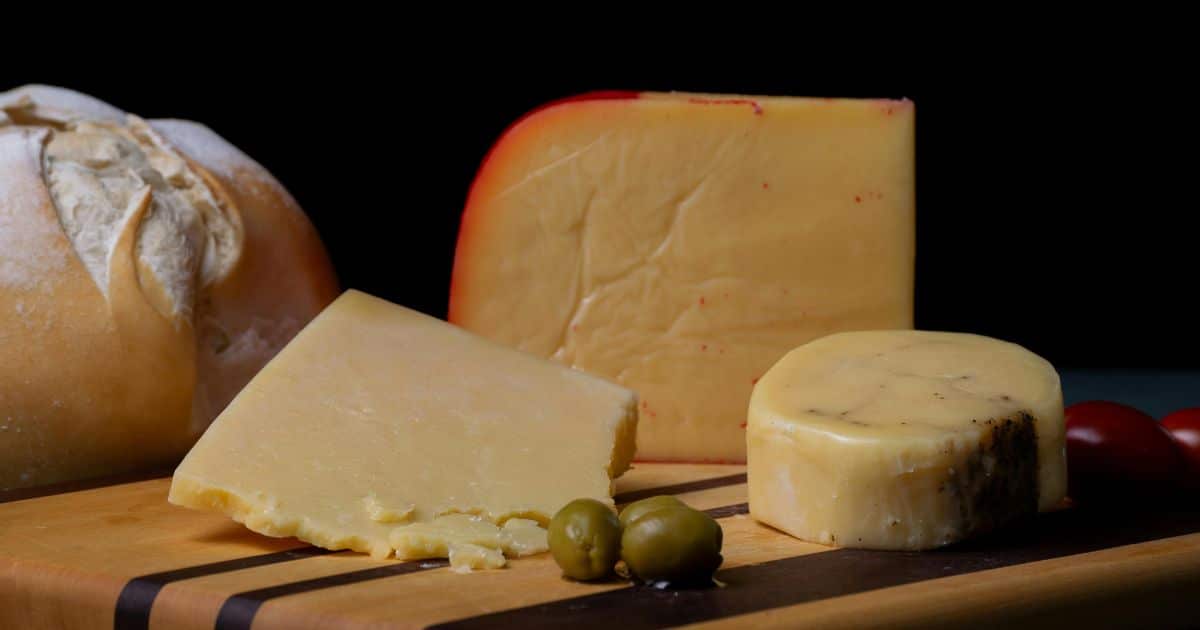
Many snack foods earn a “healthy” reputation simply because they appear more natural than brightly colored chips, candy bars, or heavily processed convenience foods. Individually wrapped mini cheeses are often viewed this way because they contain recognizable dairy ingredients, offer protein and fat, and come in modest portions that feel more balanced than highly processed snack alternatives. Their small size and simple presentation create the impression of a wholesome, minimally altered food that fits easily into a health-conscious lifestyle.
However, products that appear straightforward on the surface can still involve surprisingly complex sourcing, processing, and packaging systems behind the scenes. Modern food manufacturing often prioritizes convenience, shelf stability, large-scale distribution, and visual consistency, even in products marketed as simple or traditional. As a result, foods that seem relatively clean compared to ultra-processed snacks may still contain ingredients, additives, or packaging materials that deserve closer evaluation.
For consumers focused on reducing toxic burden and making more intentional food choices, examining these details becomes increasingly important. This does not mean avoiding all packaged foods or creating fear around everyday snacks. Instead, it involves developing a clearer understanding of how foods are produced, how dairy systems operate, and how packaging materials may contribute to overall exposure patterns over time.
Why Certain Snack Foods Feel “Healthier”
Snack marketing often relies heavily on visual simplicity and emotional familiarity. Foods packaged in small portions with minimal branding or rustic imagery tend to create a perception of wholesomeness, even when their production systems are highly industrialized.
Wax-wrapped cheeses fit comfortably into this category because they resemble traditional dairy products rather than engineered snack foods. Their compact size, creamy texture, and relatively short ingredient lists make them appear nutritionally superior to many heavily processed convenience foods. Since cheese itself is an ancient and traditionally prepared food, consumers often assume that all cheese-based snacks maintain the same level of simplicity.
Portion control also influences perception. Individually wrapped foods are frequently marketed as healthier because they appear measured and moderate. Yet portion size alone says very little about sourcing quality, farming practices, ingredient integrity, or packaging safety.
This distinction matters because modern consumers are increasingly realizing that food quality extends beyond calories and macronutrients. Questions surrounding agricultural inputs, environmental contaminants, food additives, and packaging materials now play a much larger role in how health-conscious individuals evaluate products.
Understanding Conventional Dairy Production
The term “conventional dairy” encompasses a wide range of industrial farming systems that prioritize efficiency, high production output, and large-scale distribution. While not all conventional farms operate identically, many rely on intensive feeding strategies, confined animal systems, and commodity-based agriculture designed to maximize milk production at lower cost.
Cows raised in conventional systems are frequently fed grain-heavy diets composed largely of corn and soy. These crops are commonly grown using synthetic fertilizers, herbicides, pesticides, and genetically modified seed varieties within industrial agricultural systems. Although regulatory agencies establish limits for pesticide residues and veterinary drug use, concerns about cumulative exposure continue to grow among health-conscious consumers.
Feed quality matters because what animals consume directly affects the composition of the foods they produce. Residues associated with feed production may move through the broader agricultural chain, while nutrient composition can shift depending on diet quality and farming conditions.
Conventional dairy operations may also rely more heavily on antibiotics for disease management in crowded environments. While regulations govern withdrawal periods before milk collection, many consumers prefer dairy systems that minimize reliance on pharmaceutical interventions whenever possible.
Understanding these differences does not require complete avoidance of dairy products. Instead, it encourages more informed decisions about sourcing, production standards, and food quality.
The Feed-to-Food Relationship
The nutritional profile of dairy products is closely tied to what cows consume throughout their lives. Animals raised primarily on pasture-based diets tend to produce milk with different fatty acid compositions compared to cows fed predominantly grain-based rations.
Pasture-fed dairy products are often associated with improved omega-3 fatty acid content and higher levels of certain fat-soluble nutrients. The diversity of grasses and forage consumed by grazing animals may also contribute to a broader range of beneficial compounds within the milk itself.
Grain-fed systems, by contrast, often depend heavily on monoculture agriculture. Large-scale corn and soy production often involves extensive herbicide and pesticide use, raising concerns for consumers seeking to reduce dietary exposure to agricultural chemicals over time.
The feed-to-food connection highlights an important principle in low-tox nutrition: the quality of animal products is deeply influenced by the quality of the agricultural systems that support them. Rather than focusing exclusively on the final packaged food, many consumers are beginning to examine the conditions that shaped the product long before it reached store shelves.
The Hidden Complexity of Wax-Wrapped Cheese
One of the most recognizable features of certain mini cheese snacks is the bright red outer coating. Many consumers assume this layer consists entirely of natural wax intended simply to preserve freshness and prevent spoilage. However, the composition of these coatings is often more complicated than expected.
Some wax coatings may contain additives such as carmine, a pigment derived from crushed cochineal insects. Carmine has been used for centuries as a stable, natural red dye and is found in a wide variety of foods, beverages, cosmetics, and pharmaceuticals.
Although carmine is legally approved for food use in many countries, its presence surprises consumers who expect these cheese snacks to contain only dairy ingredients and basic wax. Individuals following vegetarian, vegan, religious, or allergen-sensitive dietary preferences may be particularly interested in understanding the origins of these colorants.
The issue is not necessarily that carmine is inherently dangerous. Rather, it illustrates how even foods marketed as simple and wholesome can contain hidden additives or processing details that are not immediately obvious.
What Is Paraffin Wax?
The wax coating surrounding many individually wrapped cheeses is commonly made from paraffin, a petroleum-derived substance used widely in food preservation, cosmetics, candles, and industrial manufacturing. In cheese products, paraffin serves as a protective barrier that helps reduce moisture loss, extend shelf life, and maintain visual appeal during storage and transport.
While the wax itself is not intended for consumption, it still serves as an additional layer surrounding the food. For consumers pursuing a lower-tox lifestyle, this raises broader questions about contact materials, food packaging, and petroleum-derived substances within the modern food system.
One concern sometimes discussed in relation to paraffin involves contamination with polycyclic aromatic hydrocarbons (PAHs), a class of compounds associated with petroleum processing and combustion. Certain PAHs have been studied for their potential health effects, although exposure levels vary significantly depending on manufacturing quality and refinement processes.
Regulatory oversight exists for food-contact materials, but many consumers are increasingly interested in minimizing unnecessary contact with petroleum-derived packaging wherever practical. This perspective reflects a broader shift toward reducing cumulative environmental exposures rather than reacting only to individual ingredients in isolation.
Packaging and the Modern Food System
Packaging plays a much larger role in food quality than many people realize. Individually wrapped snacks are designed for convenience, portability, and long shelf life, but these benefits often require multiple layers of materials and processing.
Plastic films, wax coatings, adhesives, printing inks, and preservatives all contribute to the modern convenience-food model. While each exposure may appear small, many consumers are becoming more aware of the cumulative nature of daily environmental contact through food packaging.
Single-serving foods also generate significantly more packaging waste compared to purchasing larger, minimally packaged items. For environmentally conscious consumers, reducing excess packaging often aligns naturally with broader low-tox living goals.
Choosing less processed foods frequently reduces both additive exposure and packaging complexity. A block of cheese wrapped simply in paper or basic recyclable material may involve fewer industrial processing steps than individually portioned snack products designed for maximum convenience.
Convenience Often Comes With Trade-Offs
Convenience remains one of the strongest drivers of modern food purchasing decisions. Busy schedules, commuting, school lunches, travel, and limited meal-preparation time all increase demand for portable, ready-to-eat snacks.
Wax-wrapped mini cheeses are specifically engineered to satisfy these needs. They require no refrigeration for short periods, involve no slicing or preparation, and fit easily into bags or lunch containers. For many families, these characteristics make them highly appealing.
However, convenience often introduces additional processing layers that separate consumers from the original food source. Portioning, coating, packaging, stabilizing, and preserving all require industrial systems that extend far beyond traditional cheesemaking practices.
This does not mean convenience foods must be eliminated. Instead, it highlights the importance of balancing practicality with awareness. Understanding what supports convenience allows consumers to decide when those trade-offs feel worthwhile and when simpler alternatives may better align with long-term health priorities.
Cheese Itself Is Not the Problem
Cheese has existed for thousands of years as one of the oldest methods of preserving milk and concentrating nutrients. Traditional cheesemaking techniques often involve only a few core ingredients, including milk, salt, cultures, and enzymes.
High-quality cheese can provide valuable nutrients, including protein, calcium, vitamin K2, and beneficial fats, depending on the source and production method. Fermented dairy products may also support digestive health for some individuals due to the presence of microbial cultures and reduced lactose content in aged varieties.
The primary concern for many health-conscious consumers is not cheese itself but the industrialization surrounding certain modern dairy products. Factors such as feed quality, farming methods, additives, and packaging materials often influence whether a product aligns with a lower-tox lifestyle approach.
Traditionally produced cheeses with minimal ingredients and transparent sourcing may offer a cleaner alternative to highly processed snack versions. Aged cheeses such as Parmesan, Pecorino, or raw milk varieties from reputable producers often contain fewer additives and rely on more traditional fermentation processes.
Organic and Grass-Fed Dairy Considerations
Consumers looking to upgrade dairy quality often begin by exploring organic or grass-fed options. Organic dairy standards generally prohibit the routine use of synthetic pesticides, genetically modified feed crops, and certain antibiotics or hormones within production systems.
Grass-fed dairy products emphasize pasture access and forage-based feeding practices, which may influence both nutritional composition and environmental sustainability. Milk from pasture-raised cows often has different fatty acid profiles and may reflect a lower reliance on industrial monoculture feed systems.
While organic and grass-fed products are not automatically perfect or superior in every context, these labels typically offer greater transparency into agricultural practices. They also align more closely with efforts to reduce unnecessary chemical exposures within the food chain.
Budget limitations may prevent some households from purchasing exclusively organic dairy products, and perfection is rarely realistic. However, even occasional upgrades toward cleaner sourcing may help reduce cumulative exposure over time.
Better Cheese Choices for Everyday Eating
Shifting toward less processed cheese options does not require dramatic dietary changes. Small adjustments in purchasing habits can significantly improve overall food quality while maintaining convenience and enjoyment.
Buying cheese in blocks, wedges, or larger portions often reduces packaging complexity compared to individually wrapped snack versions. Slicing or portioning cheese at home may require slightly more effort but offers greater control over ingredients and materials.
Reading labels carefully remains important. Ideally, cheese products should contain relatively few ingredients beyond milk, cultures, enzymes, and salt. Products with extensive additive lists, artificial flavors, preservatives, or coloring agents may indicate heavier processing.
Traditional cheeses from reputable producers can also provide a more authentic food experience rooted in simpler production methods. Pairing minimally processed cheese with whole foods such as fruit, nuts, or vegetables creates balanced snacks without relying heavily on industrial convenience packaging.
Why Small Food Swaps Matter
No single snack determines long-term health outcomes on its own. The significance of these choices lies more in the broader patterns they create over time. Repeated daily exposure to highly processed foods, chemical additives, and excessive packaging may cumulatively contribute to the overall environmental burden.
Small upgrades in food quality often compound gradually. Choosing cleaner dairy products, reducing unnecessary additives, and prioritizing more transparent sourcing help establish healthier defaults within everyday routines.
Importantly, low-tox living does not require fear or perfectionism. The goal is not to create anxiety around every packaged food item, but to build greater awareness and intentionality about what regularly enters the body.
Wax-wrapped cheese serves as a useful example because it demonstrates how familiar foods can contain layers of complexity hidden beneath simple marketing. Looking more closely at sourcing, processing, and packaging allows consumers to move beyond assumptions and make decisions aligned with their individual priorities.
Building a More Intentional Relationship With Food
The modern food environment is filled with products marketed as healthy, natural, or wholesome, despite being produced through highly industrialized systems. Developing a more intentional relationship with food means learning to look beyond branding and evaluate products more thoughtfully.
Questions about where food comes from, how animals are raised, what ingredients are added, and how products are packaged all contribute to a more informed perspective. Over time, this awareness helps consumers navigate grocery stores with greater clarity and confidence.
Ultimately, healthier food choices are rarely about chasing perfection. They are about creating consistent habits that prioritize transparency, simplicity, and quality whenever possible. Choosing minimally processed dairy products with cleaner sourcing and less complex packaging represents one practical step within a broader approach to supporting long-term wellness and reducing unnecessary toxic exposure in everyday life.
References:
- Fernandes J, Gomes S, Reboredo FH, Pintado ME, Amaral O, Dias J, Alvarenga N. Clean label approaches in cheese production: Where are we? Foods. 2025 Feb 26;14(5):805. doi: 10.3390/foods14050805. PMID: 40077507; PMCID: PMC11899541.
- Falih MA, Altemimi AB, Hamed Alkaisy Q, Awlqadr FH, Abedelmaksoud TG, Amjadi S, Hesarinejad MA. Enhancing safety and quality in the global cheese industry: A review of innovative preservation techniques. Heliyon. 2024 Nov 19;10(23):e40459. doi: 10.1016/j.heliyon.2024.e40459. PMID: 39654744; PMCID: PMC11625285.
- Vitale M, Costabile G, Testa R, D’Abbronzo G, Nettore IC, Macchia PE, Giacco R. Ultra-processed foods and human health: A systematic review and meta-analysis of prospective cohort studies. Adv Nutr. 2024 Jan;15(1):100121. doi: 10.1016/j.advnut.2023.09.009. Epub 2023 Dec 18. PMID: 38245358; PMCID: PMC10831891.1