

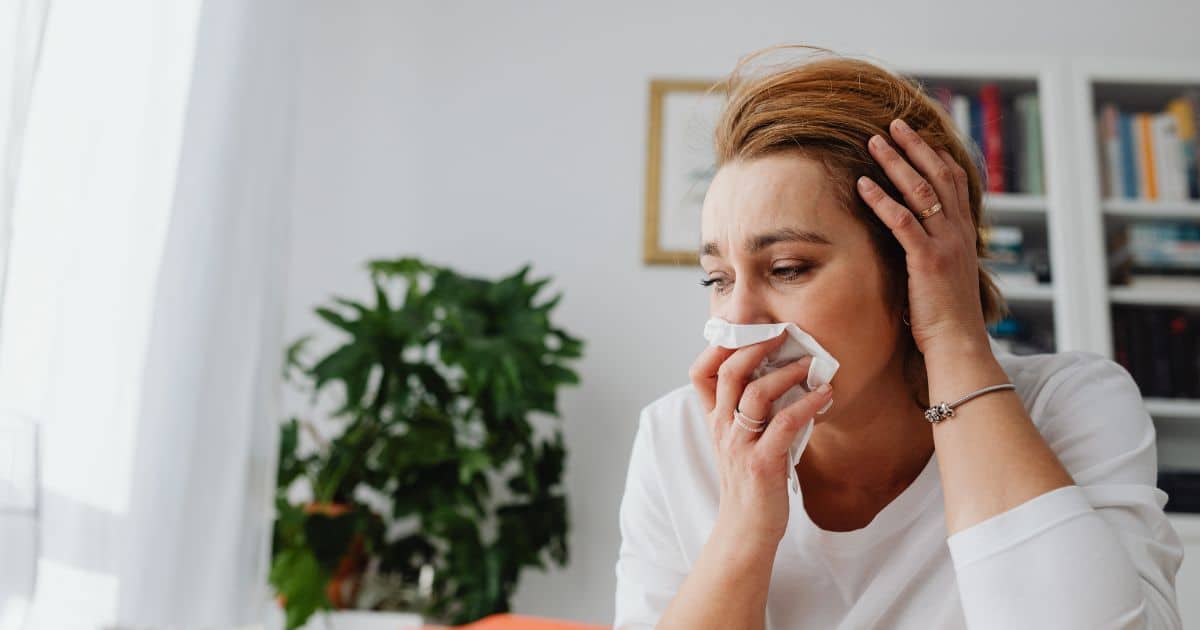
As seasonal transitions unfold, spring introduces a surge of environmental particles that can significantly affect daily comfort and overall health. Airborne pollen, mold spores, and other microscopic irritants increase in concentration, often triggering a wide range of physiological responses. While these exposures are commonly associated with time spent outdoors, a substantial portion of allergen accumulation occurs in indoor environments, where individuals spend most of their time. Particles are easily carried inside on clothing, skin, and personal belongings, embedding themselves into fabrics and circulating through indoor air. This dynamic creates a continuous cycle of exposure that can persist long after outdoor activity ends, making it essential to address both the external and internal environments when managing seasonal allergies.
Effectively navigating allergy season requires a dual-focused strategy that emphasizes both minimizing contact with irritants and enhancing the body’s natural ability to process and recover from exposure. Rather than relying solely on short-term symptom relief, a more sustainable approach involves building consistent daily habits that gradually reduce the burden placed on the immune system. By understanding how allergens interact with the body and environment, it becomes possible to implement practical changes that support long-term resilience and improved well-being.
The Concept of Total Allergen Load and Its Impact on the Body
Seasonal allergies can be better understood through the concept of cumulative exposure, often referred to as total allergen load. The human body continuously processes environmental inputs, and during peak pollen seasons, this burden increases significantly. When exposure levels surpass the body’s ability to manage them efficiently, symptoms such as congestion, fatigue, and cognitive fog become more pronounced. This threshold varies from person to person, which explains why individuals in the same setting may experience vastly different reactions.
Reducing overall exposure, even in small increments, can have a meaningful effect on how the body responds. Minor adjustments in daily habits, when applied consistently across multiple areas, can collectively lower the total burden placed on the immune system. This layered approach allows for gradual improvement without the need for drastic or unsustainable interventions. Over time, the cumulative effect of these changes can lead to more stable energy levels, clearer breathing, and improved comfort throughout the season.
Incorporating Traditional Foods for Seasonal Support
Dietary choices can support the body during allergy season by providing nutrients and compounds that enhance the body’s natural processes. Certain traditional foods have been used historically to help ease seasonal transitions, offering gentle support rather than acting as direct treatments. Raw, locally sourced honey is one such example, often consumed in small amounts as part of a daily routine. Its trace exposure to regional pollen and naturally soothing properties make it a popular addition during periods of heightened environmental exposure.
Another traditional preparation, oxymel, combines raw honey with apple cider vinegar to create a simple yet functional tonic. This mixture has been used for generations to support digestion and thin mucus, which can be beneficial during times of congestion. When incorporated regularly in modest quantities, it becomes an easy habit that complements other supportive practices. These food-based approaches emphasize consistency and simplicity, aligning with a broader strategy of gradual, sustainable support.
Herbal Approaches That Provide Deeper Support
Botanical remedies have long been utilized to assist the body during periods of environmental stress, and certain herbs are particularly valued during allergy season. Nettle leaf, for instance, is widely recognized for its potential to help regulate histamine responses, making it a common choice for seasonal support. However, the method of preparation can influence effectiveness, with longer infusion times yielding a more concentrated extraction of beneficial compounds.
Allowing dried nettle leaves to steep for several hours, or even overnight, produces a stronger infusion that can be consumed throughout the day. This preparation method enhances the availability of the plant’s active constituents, offering more comprehensive support than brief tea steeping. Keeping a prepared batch readily available encourages consistent use, which is key to experiencing its potential benefits. Establishing such routines transforms herbal support into a practical, accessible component of daily life.
Targeted Support During Periods of Increased Exposure
Certain environmental conditions can lead to sudden increases in allergen exposure, such as windy weather or time spent in heavily vegetated areas. During these periods, having targeted tools available can help mitigate symptom intensity. Natural products derived from bee resin, commonly known as propolis, are frequently used in sprays or lozenges to soothe throat irritation and support immune function.
These options are particularly useful during transitions between indoor and outdoor environments, where the body may experience rapid changes in exposure levels. Using supportive measures proactively, rather than waiting for symptoms to intensify, can help maintain a more consistent baseline of comfort. This anticipatory approach aligns with the broader goal of reducing overall strain on the body rather than reacting to discomfort after it has already escalated.
Indoor Air Quality as a Central Factor in Allergen Exposure
A common misconception is that remaining indoors provides complete protection from seasonal allergens, yet indoor air can often contain concentrated levels of irritants if not properly managed. Pollen and other particles enter through open windows, attach to surfaces, and become recirculated through everyday movement. Without intervention, these particles accumulate over time, contributing to ongoing exposure even in enclosed spaces.
Air purification systems can play a significant role in reducing the concentration of airborne allergens within the home. High-efficiency particulate air (HEPA) filters are particularly effective at capturing microscopic particles, making them a valuable addition to frequently used spaces such as bedrooms and living areas. For those seeking more accessible options, simple filtration setups using household materials can still provide noticeable improvements in air quality. The effectiveness of these systems depends largely on consistent use, as continuous filtration helps maintain a lower baseline of airborne irritants.
Minimizing Indoor Contamination Through Entryway Habits
A significant portion of indoor allergen accumulation originates from particles brought in from outside environments. Footwear, in particular, acts as a primary carrier, collecting pollen, dust, and debris throughout the day. Establishing a routine of removing shoes upon entering the home creates a clear boundary that limits the spread of these particles into living spaces.
This practice, while simple, can have a substantial impact on overall indoor cleanliness and allergen levels. Over time, it reduces the amount of particulate matter embedded in flooring and furnishings, contributing to a more controlled environment. Small behavioral shifts such as this demonstrate how minor adjustments can collectively influence exposure levels in meaningful ways.
Clothing and Fabrics as Vectors for Allergen Transfer
Textiles serve as another major pathway for allergen transmission, as pollen readily adheres to fabrics and travels with individuals throughout the day. Clothing worn outdoors can carry these particles into the home, where they can be transferred to furniture, bedding, and other surfaces. Changing garments after returning indoors helps interrupt this cycle and prevents the redistribution of allergens within living spaces.
This practice becomes particularly important during periods of high pollen activity or after engaging in outdoor tasks such as gardening or commuting. Designating a specific area for outdoor clothing can further contain potential contaminants, reducing their spread throughout the home. By addressing these less obvious sources of exposure, it becomes possible to create a more comprehensive strategy for allergen management.
Reducing Nighttime Exposure for Improved Recovery
Sleep plays a critical role in physiological restoration, yet it can also become a period of prolonged allergen exposure if proper precautions are not taken. Hair and skin accumulate particles throughout the day, which can then transfer onto bedding during sleep. This creates a continuous exposure cycle that may disrupt breathing and reduce sleep quality.
Rinsing off accumulated particles before bedtime, especially with a quick shower, can significantly reduce allergen levels in the sleeping environment. This simple habit often leads to improved nighttime comfort and more restorative rest. By minimizing exposure during this critical recovery period, the body is better positioned to manage environmental stressors encountered during the day.
Maintaining Clean Bedding as a Protective Measure
Even with consistent daily practices, bedding materials naturally collect dust, pollen, and other particles over time. Regular laundering of sheets and pillowcases helps remove these accumulated irritants, preventing them from reaching levels that could exacerbate symptoms. Using hot water during washing cycles enhances allergen removal and contributes to a cleaner sleep environment.
This routine becomes especially important during peak allergy seasons when exposure levels remain elevated for extended periods. Clean bedding not only reduces direct contact with irritants but also supports overall recovery by creating a more controlled environment for rest. As part of a broader strategy, it reinforces the effectiveness of other exposure-reduction habits.
Supporting Natural Clearance Mechanisms in the Body
In addition to minimizing exposure, assisting the body’s natural processes for clearing irritants can further improve comfort during allergy season. Saline nasal rinses provide a straightforward method for removing pollen and debris from the nasal passages. This approach works mechanically, flushing out particles rather than suppressing the body’s response to them.
Incorporating this practice into daily routines, particularly after outdoor exposure or before bedtime, can help reduce congestion and support clearer breathing. Regular use enhances its effectiveness, making it a reliable tool for maintaining respiratory comfort. By combining exposure reduction with supportive practices, it becomes possible to address seasonal challenges from multiple angles.
Creating a Sustainable System for Seasonal Resilience
Each strategy, while beneficial on its own, becomes significantly more effective when integrated into a cohesive system. The goal is not perfection but consistency, selecting manageable habits that can be maintained over time. This layered approach reduces total allergen exposure while simultaneously supporting the body’s ability to adapt and recover.
By viewing environmental management and physiological support as interconnected components, it becomes easier to navigate seasonal changes. Small, repeatable actions accumulate into meaningful improvements, demonstrating that sustainable health practices often rely on simplicity and consistency rather than complexity.
References:
- Vijayan, V. K., Paramesh, H., Salvi, S. S., & Dalal, A. A. (2015). Enhancing indoor air quality – The air filter advantage. Lung India, 32(5), 473–479. https://doi.org/10.4103/0970-2113.164174
Erratum in: Lung India. 2016 Nov-Dec;33(6):705. https://doi.org/10.4103/0970-2113.192883
PMID:26628762 | PMCID:PMC4587002 - Sublett, J. L. (2011). Effectiveness of air filters and air cleaners in allergic respiratory diseases: a review of the recent literature. Current Allergy and Asthma Reports, 11(5), 395–402. https://doi.org/10.1007/s11882-011-0208-5
PMID:21773748 | PMCID:PMC3165134Bockmühl DP, Schages J, Rehberg L. Laundry and textile hygiene in healthcare and beyond. Microbial Cell. 2019 Jul 1;6(7):299–306. doi: 10.15698/mic2019.07.682. PMID:31294042; PMCID:PMC6600116 - Aw Yong, P. Y., Islam, F., Harith, H. H., Israf, D. A., Tan, J. W., & Tham, C. L. (2021). The potential use of honey as a remedy for allergic diseases: A mini review. Frontiers in Pharmacology, 11, 599080.https://doi.org/10.3389/fphar.2020.599080Scheiber, A., & Mank, V. (2023). Anti-inflammatory diets. In StatPearls. StatPearls Publishing. Available fromhttps://www.ncbi.nlm.nih.gov/books/NBK597377/