

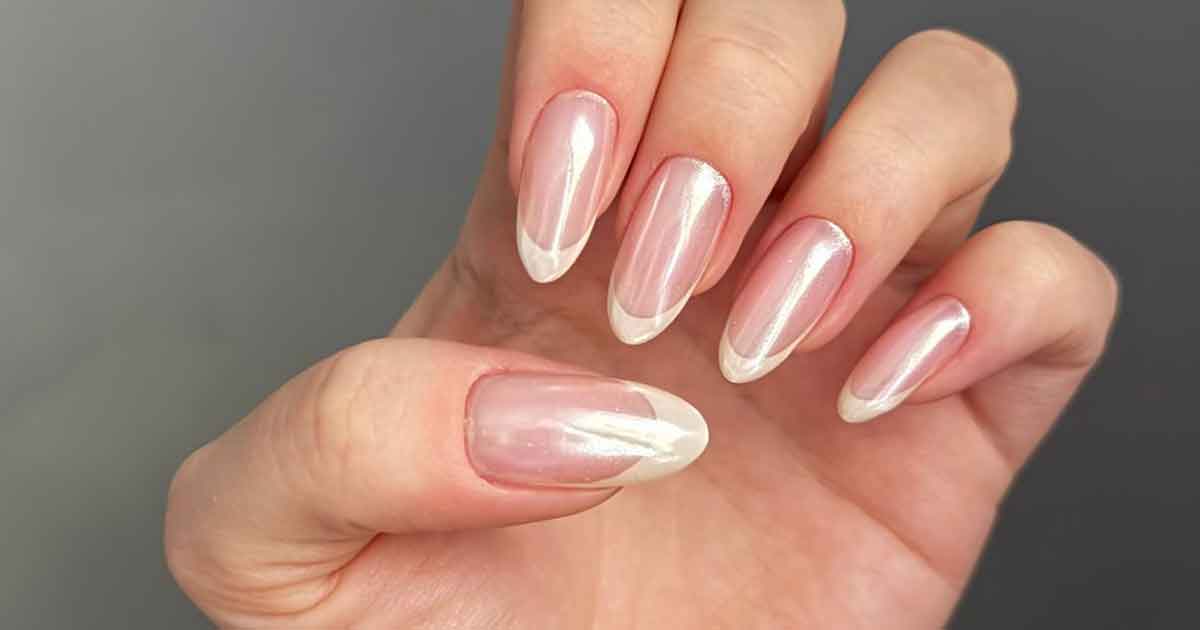
Gel manicures have exploded in popularity over the last decade, becoming a beauty staple for millions worldwide. The appeal is easy to understand: a glossy, durable finish that stays flawless for weeks, no smudges, and no chipping after just a day or two. For many, it’s more than just a cosmetic choice; it’s part of their routine, a way to feel polished, put together, and confident. But a complicated truth lies beneath the glossy surface of this seemingly harmless beauty treatment. The ingredients and processes that make gel nails so durable and shiny are increasingly under scrutiny for their potential health risks, and recent regulatory decisions in Europe have underscored just how serious those risks may be.
A Closer Look at the Chemicals Inside Gel Polish
Most consumers never stop to question what’s actually inside the bottle of gel polish used during their salon visits. The colors are vibrant, the application feels straightforward, and the end result can be stunning. However, many of these formulations rely on specific chemical agents to create that hardened finish, including a substance known as triphenyl phosphate oxide (TPO). This ingredient, used as a curing agent, has recently been banned by the European Union after toxicology research raised significant red flags about its potential to disrupt the body’s delicate hormonal balance and contribute to reproductive harm and cancer risk. This decision was not a precautionary tweak to existing guidelines. It was a firm regulatory stance based on growing evidence that exposure to this compound carries profound implications for human health.
TPO belongs to a larger family of organophosphate compounds originally developed for industrial applications such as flame retardants and plasticizers. The nail industry makes the difference between a polish that chips in a day and one that can survive weeks of wear. But these compounds don’t remain fixed on the nail’s surface. During application and curing, they can be inhaled, absorbed through the skin, or transferred into the body through contact with surrounding tissues. Related chemicals like triphenyl phosphate (TPHP) have been shown to mimic or interfere with natural hormones such as estrogen, acting as endocrine disruptors. Over time, these disruptions can alter reproductive function, interfere with thyroid regulation, and increase vulnerability to metabolic conditions. When endocrine balance is disturbed, the body can experience cascading effects, since hormones regulate everything from growth and fertility to mood and energy metabolism.
Even products marketed as “TPO-free” may not be as safe as they appear. Many still rely on other chemicals that carry their own health concerns, such as formaldehyde-releasing compounds, toluene, and dibutyl phthalate (DBP). These substances have either been banned or heavily restricted in some countries for use in other consumer products, yet they persist in the cosmetic industry in many regions. Consumers may be lulled into a false sense of security by clean-sounding marketing terms, unaware that their exposure risk hasn’t necessarily disappeared.
UV Lamps and the Hidden Danger of Repeated Exposure
While chemical ingredients are a significant concern, the risks of gel manicures don’t end with the polish itself. The curing process involves using ultraviolet or LED lamps emitting UV radiation. These devices are designed to harden the gel layers quickly, but in doing so, they expose the skin on the hands to levels of UV light comparable to tanning beds or direct sunlight. Although the exposure time during a single manicure session may seem short, researchers have found that these UV light bursts can cause cellular skin damage.
Scientists at the University of California, San Diego, published findings that just 20 minutes under a gel nail lamp can lead to DNA damage in skin cells. While not always visible, this type of damage can accumulate over time. Regular salon-goers who receive gel manicures every two to three weeks may experience significant cumulative exposure over the years, raising their risk of skin aging, pigmentation changes, and even skin cancer. The danger is amplified for individuals with fair skin tones, a history of skin conditions, or heightened UV sensitivity. What may seem like a small, routine beauty treatment can gradually undermine the health of the skin it is meant to enhance.
This exposure also contributes to the thinning of the nails and the surrounding skin over time. Just as UV radiation affects the skin on the face and body, the delicate skin on the hands is not immune to long-term damage. Fine lines, sunspots, and reduced elasticity can appear earlier than expected in frequent gel manicure users. What many perceive as a quick beauty fix may actually accelerate premature aging.
Why “Clean Beauty” Labels Don’t Always Mean What They Say
With rising public awareness around toxins in personal care products, many brands now market their polishes as “5-free,” “10-free,” or even “20-free,” suggesting they exclude a list of harmful ingredients. While this sounds reassuring, the reality is more complicated. These labels are not standardized, and companies are not always required to disclose all chemical components or back up their claims with independent testing. A polish may be free of a handful of notorious ingredients, but it could still contain lesser-known synthetic chemicals with limited safety data or unknown long-term effects.
In addition to what’s in the products, the environment in which they are used can contribute to health risks. Nail salons, especially those with poor ventilation, often contain airborne solvents, vapors, and particulates. Regular exposure to these can irritate the respiratory system, trigger headaches, or lead to chronic respiratory issues. Studies examining the urine samples of nail technicians have detected elevated levels of phthalates and other endocrine-disrupting chemicals, demonstrating how easily these substances are absorbed into the body during routine work. This exposure is occupational and ongoing for workers, making their risk profile significantly higher than that of the average customer.
The Long-Term Impact on Natural Nail Health
The damage from gel manicures isn’t limited to chemical and UV exposure. The physical process of applying and removing gel polish is also harsh on the nails. The natural nail is typically buffed and filed to ensure the polish adheres properly, removing protective layers. Removal often involves soaking in acetone, scraping, or even peeling off layers of polish and nail. Over time, these practices thin the nail plate, weaken the protective barrier, and leave nails prone to splitting, peeling, or breakage. When the nail matrix, the area responsible for new nail growth, is compromised, recovery can take months.
These visible signs of damage are more than cosmetic concerns. Nails reflect internal health, and when they become consistently brittle or fragile, it may indicate that the body is responding to stressors, persistent exposure to harsh chemicals and UV radiation only compounds that stress. As the nail’s natural defenses weaken, susceptibility to fungal or bacterial infections increases. For many, this means a vicious cycle of covering up damaged nails with another layer of gel polish, further aggravating the problem.
Safer Alternatives for Healthier Nails
Abandoning gel manicures entirely isn’t the only option for maintaining healthy nails. Many nail products are formulated without major endocrine-disrupting chemicals or formaldehyde-based hardeners. These non-toxic polishes can deliver glossy finishes that last several days without exposing the body to the same level of harmful substances. Choosing brands with transparent ingredient lists, ideally third-party tested, is essential to reducing unnecessary chemical exposure.
In addition to cleaner polish options, adopting a more natural nail care routine can support long-term nail health. Regularly moisturizing the nails and cuticles with nourishing oils like jojoba, almond, or vitamin E oil helps keep the nail bed flexible and resilient. Keeping nails short and neatly filed can prevent breakage, while gentle buffing adds a natural shine without requiring harsh products. Taking intentional “nail breaks”, periods without polish or enhancements, gives the nails time to recover their natural strength. Like skin benefits from makeup-free days, nails need breathing space to restore balance.
The Broader Conversation: Beauty, Toxins, and Informed Choices
The discussion around gel nails is part of a much larger conversation about the hidden health costs of modern beauty practices. Many cosmetic trends promise instant gratification, smoother skin, whiter teeth, longer lashes, or chip-free nails, but few highlight the long-term health trade-offs. Beauty should not come at the expense of well-being. As scientific research continues to uncover the effects of low-level but chronic exposure to chemicals like TPO and UV radiation, consumers are increasingly empowered to make informed choices.
Regulatory agencies like the European Union have taken essential steps by banning TPOs, recognizing the accumulation of evidence of harm. However, not all regions have followed suit, and in many places, products containing questionable ingredients remain on the market. This makes consumer education and personal advocacy essential. Reading labels carefully, asking questions at salons, and favoring brands committed to transparency are small but meaningful actions that can protect long-term health.
Redefining Self-Care Through Awareness
Proper self-care involves more than surface-level appearance. It includes making choices that support the body’s natural systems. Reserving gel manicures for special occasions instead of routine use can help minimize exposure for those who enjoy getting their nails done. Cleaner alternatives or bare nails can offer aesthetic appeal and health protection for everyday wear. It’s a mindset shift that values long-term wellness as much as short-term beauty.
Ultimately, the story of gel nails illustrates how something as ordinary as a manicure can intersect with complex issues of chemical exposure, regulation, and personal health. By understanding what’s in these products and how they interact with the body, individuals can make informed decisions that reflect their values and priorities. Beauty trends come and go, but the effects of toxins can linger much longer.
References:
- Metko D, Mehta S, Mcmullen E, Bednar ED, Abu-Hilal M. A systematic review of the risk of cutaneous malignancy associated with ultraviolet nail lamps: What is the price of beauty? Eur J Dermatol. 2024 Feb 1;34(1):26-30. doi: 10.1684/ejd.2024.4616. PMID: 38557455.
- de Paula AC, Uliana F, da Silva Filho EA, Luz PP. Nail polishes: A review on composition, presence of toxic components, and inadequate labeling. Dermatol Res Pract. 2025 Mar 6;2025:6330337. doi: 10.1155/drp/6330337. PMID: 40224916; PMCID: PMC11991789.