

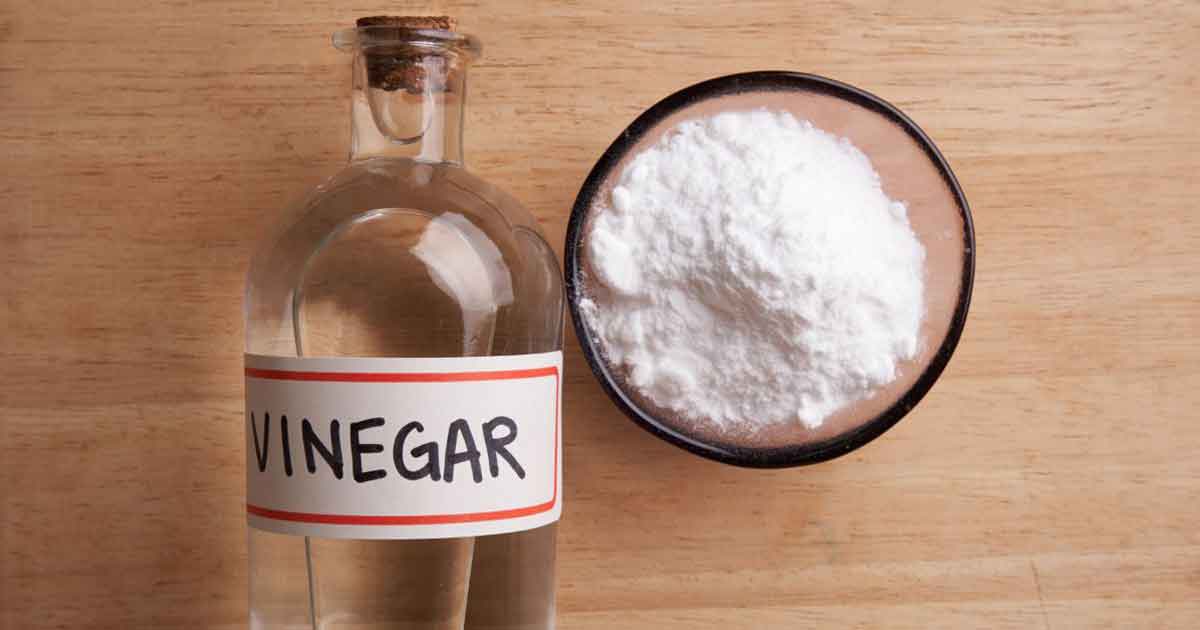
Many people start their low-tox journey by examining the products they use to clean their homes, as conventional cleaning formulas often contain some of the most concentrated synthetic chemicals found indoors. These products can leave behind chemical residues on countertops, flooring, toys, and clothing, and they often release vapors that linger in the air long after the cleaning is finished. Such compounds accumulate over time, contributing to indoor pollution levels that usually exceed those found outdoors, especially in tightly sealed modern homes.
As more households strive to minimize unnecessary chemical exposure, vinegar consistently stands out as a practical, accessible, and remarkably efficient option for cleaning a wide range of surfaces. While debates about its effectiveness and smell sometimes overshadow its benefits, the reality is that vinegar remains one of the most reliable natural cleaners available, especially for everyday household tasks. Its long history of use, paired with current scientific understanding, continues to reinforce its value for those seeking a healthier approach to home maintenance.
Why Vinegar Supports a Cleaner, Lower-Tox Home
White distilled vinegar is produced through a fermentation process, in which natural sugars or grains are converted into ethanol, which is then transformed into acetic acid. This acetic acid is responsible for the cleaning power associated with vinegar, as it works to dissolve grime, cut through grease, and break apart mineral deposits such as limescale. Its acidic nature disrupts the environment that certain types of bacteria rely on, making it an excellent tool for general cleaning, even though it is not classified as a hospital-grade disinfectant. Vinegar performs well on glass, sinks, countertops, toys, and various appliances, which makes it a helpful substitute for multi-surface sprays that often contain solvents, preservatives, dyes, and artificial fragrances. Unlike synthetic cleaners, vinegar evaporates cleanly and leaves no lingering chemicals or fragrance molecules behind, an essential factor for households sensitive to scents or concerned about chemical buildup. Because vinegar contains only a few basic ingredients, it offers a level of predictability and transparency that many commercial cleaners lack.
The One Limitation: Its Strong, Distinctive Scent
Although vinegar is highly effective, its sharp scent can be a barrier for people who prefer subtler aromas or who react strongly to strong odors. The acidic smell is unmistakable and can feel overpowering during the first moments after spraying, even though it dissipates quickly as it dries. This immediate sensory experience often discourages people from using vinegar consistently, despite its benefits and safety profile.
Fortunately, the intensity of the scent is not permanent and can be softened through simple infusion methods using natural ingredients such as citrus peels, herbs, or spices. Infusing vinegar not only improves the smell but can also add extra cleaning properties, depending on the aromatics used. These simple adjustments transform vinegar from something tolerated during chores into a blend that feels fresh, uplifting, and enjoyable to use in any room of the home.
How to Make a Naturally Scented Vinegar Cleaner
Creating a pleasant-smelling vinegar-based cleaner is straightforward, uses everyday household items, and avoids the pitfalls of synthetic fragrances that often contain undisclosed chemicals. A basic infusion requires equal parts distilled white vinegar and filtered water, which helps maintain the mixture’s cleaning strength while reducing mineral content that might interfere with clarity or performance. Citrus peels release natural oils that brighten the scent and subtly enhance cleaning power, while herbs such as rosemary introduce earthier notes and natural antimicrobial compounds. The ingredients are gently heated to encourage the release of aromatic compounds, then left to steep for 24 hours, allowing the vinegar to infuse with the scents fully. After straining the mixture, the liquid is transferred into a glass spray bottle, which is the preferred container because glass remains stable when exposed to acidic solutions. Additional citrus rinds or herb sprigs may be added directly to the bottle for a decorative touch and a more pungent aroma, creating a cleaner that is highly functional, pleasantly fragrant, and free from synthetic additives.
Expanding the Options: Customizing Scents to Fit the Home
One of the advantages of making a vinegar cleaner at home is the ability to tailor it to specific preferences, seasons, or cleaning routines. Those who enjoy bright, energizing scents may use orange or grapefruit peels, which create a soft citrus aroma that works well in kitchens or living rooms. People seeking calm or relaxation may choose lavender buds, which pair well with vinegar once the scent has fully infused, and are particularly comforting when used in laundry rooms or bedrooms. Mint leaves add an incredible, refreshing scent that can make bathrooms feel cleaner and more invigorating. At the same time, spices like cinnamon sticks and cloves can create warm, cozy aromatics that complement colder months.
Each ingredient brings its own natural compounds, some of which offer additional cleaning or deodorizing benefits, making the infusion not only more enjoyable but also sometimes more functional. The key to maintaining a low-tox approach is avoiding synthetic fragrance oils or commercial scent boosters, which often contain phthalates, allergens, or undisclosed chemicals that contradict the purpose of choosing a natural cleaner.
Understanding the Problem with Conventional Cleaners
Commercial cleaning formulas often contain extensive ingredient lists that can be difficult for consumers to evaluate, especially when labels use vague terms such as “fragrance,” “solvent,” or “stabilizer.” These categories encompass a wide range of chemicals, some of which are recognized as respiratory irritants or endocrine disruptors that accumulate in indoor environments.
Many conventional sprays and wipes contain volatile organic compounds (VOCs) that evaporate into the air, where they can remain trapped in enclosed spaces and contribute to chronic exposure for occupants. Artificial fragrances, in particular, are a frequent source of hidden toxins, as they represent complex chemical mixtures that do not need to be fully disclosed on packaging.
Over time, exposure to these compounds can irritate the skin, eyes, and respiratory system, especially for children, pets, or individuals with allergies or chemical sensitivities. A vinegar-based cleaner addresses all these concerns by offering a simple, predictable alternative that performs effectively without introducing synthetic chemicals into the home environment. The transparency of the ingredients brings a level of reassurance that is increasingly important for households prioritizing long-term wellness.
Performance Benefits Beyond Cleaning
In addition to cutting grease and dissolving mineral deposits, vinegar supports a cleaner home by reducing the need for separate specialty products that often contain harsher chemicals. For example, vinegar performs well on streak-free glass cleaning, reducing the demand for ammonia-based window sprays. It can also help deodorize surfaces that trap odors, such as cutting boards or refrigerator shelves. Its evaporative properties make it ideal for wipe-down tasks that require quick drying. Its mild acidity helps neutralize specific types of bacteria on non-porous surfaces, providing a level of daily cleanliness suitable for typical home environments. Vinegar can even loosen soap scum on shower walls, reduce hard water stains around faucets, and restore shine to stainless steel when used with a microfiber cloth. By performing multiple functions, vinegar minimizes the number of products needed in a home, ultimately reducing chemical exposure and simplifying household routines.
Safety Considerations and Best Practices
Although vinegar is non-toxic and versatile, it is essential to use it appropriately to protect both household surfaces and overall performance. Because vinegar is acidic, it should not be used on natural stone surfaces such as marble, granite, or limestone, as the acid can etch or dull the finish. It is also not recommended for use on waxed wood or electronic screens, as both require gentler formulas.
When preparing an infused vinegar blend, filtered or distilled water is preferred because it eliminates minerals that might cloud the final mixture or leave residue after drying.
Glass containers should be used for storage to prevent chemical reactions that sometimes occur when acids come into contact with certain plastics.
Although infused vinegar offers an improved scent profile, the mixture should still be kept out of reach of children and pets, as the aroma may make it more appealing to them. By following simple best practices, households can enjoy the benefits of vinegar cleaning safely and effectively.
How Vinegar Supports a Low-Tox Lifestyle
A low-tox lifestyle centers on reducing exposure to unnecessary chemicals while supporting the body’s natural detoxification processes, and household cleaners play a significant role in achieving this goal. Replacing products that contain synthetic fragrances, harsh solvents, and preservative blends with simple, transparent alternatives can dramatically reduce the number of chemicals circulating in indoor air. Vinegar aligns well with this approach because it introduces no harmful byproducts, breaks down quickly, and contains no ingredients that require special ventilation or safety precautions.
Households transitioning to healthier living often appreciate the affordability of vinegar-based cleaners, which lower the financial burden of maintaining a nontoxic home. Over time, small swaps like these accumulate, creating an environment that supports respiratory health, reduces chemical absorption through the skin, and minimizes the overall toxic load placed on the body. Vinegar’s simplicity, accessibility, and effectiveness make it a consistent cornerstone in many low-tox home routines.
Final Thoughts: A Small Change With Meaningful Impact
Vinegar remains one of the most practical and reliable tools for maintaining a cleaner, healthier home without relying on synthetic chemicals. Its effectiveness is well supported, and its limitations, primarily its strong scent, can be easily addressed through natural infusion techniques that enhance the cleaning experience. A homemade vinegar cleaner requires minimal effort, utilizes ingredients most households already have, and provides a customizable solution that aligns with a low-tox lifestyle.
While no single product can transform an entire home environment, replacing conventional cleaners with a simple vinegar blend can meaningfully reduce chemical exposure and improve indoor air quality. For households seeking a straightforward, cost-effective, and science-backed way to support their wellness goals, vinegar remains one of the best starting points available.
References:
- Chen, H., Chen, T., Giudici, P., & Chen, F. (2016). Vinegar functions on health: Constituents, sources, and formation mechanisms. Comprehensive Reviews in Food Science and Food Safety, 15(6), 1124–1138.https://doi.org/10.1111/1541-4337.12228
- Chen GL, Zheng FJ, Lin B, Yang YX, Fang XC, Verma KK, Yang LF. Vinegar: A potential source of healthy and functional food with special reference to sugarcane vinegar. Front Nutr. 2023;10:1145862. Published 2023 Mar 16. doi:10.3389/fnut.2023.1145862. PMID: 37006937; PMCID: PMC10061008.