

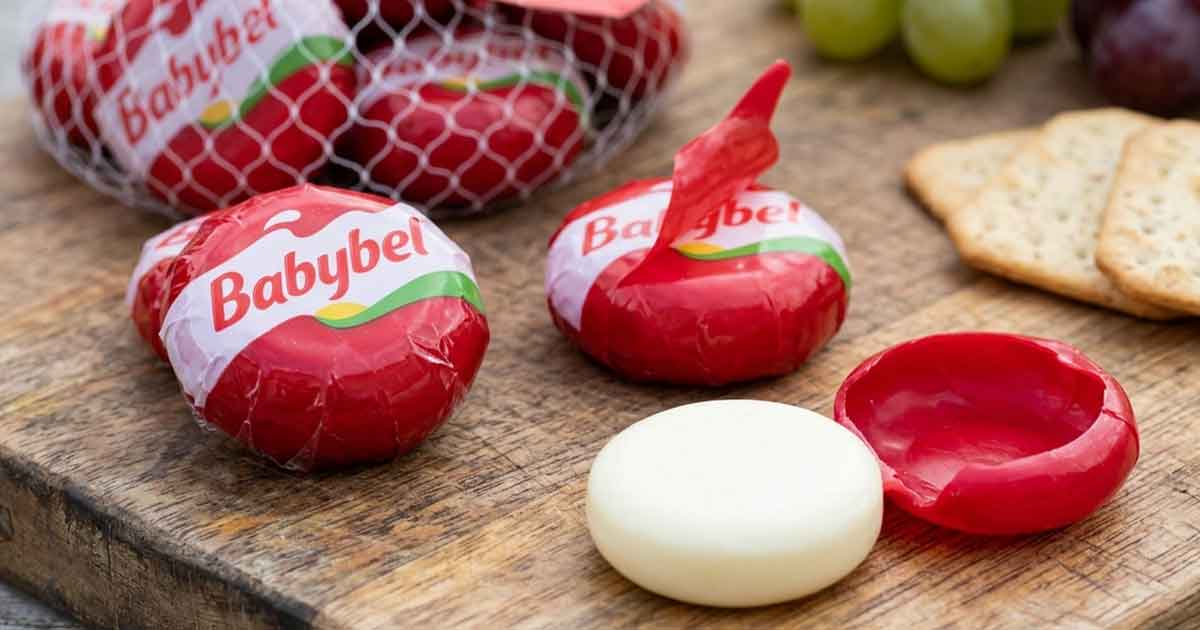
Walk through the dairy aisle of almost any grocery store, and Babybel cheese is likely to stand out. Its small, individually wrapped portions and recognizable red wax coating have made it a popular snack for lunch boxes, road trips, and quick bites between meals. Because it is made from cheese rather than refined grains or sugary ingredients, many shoppers naturally assume it belongs among the healthiest snack options available.
The reality is more nuanced. Babybel is undeniably a better choice than many ultra-processed snack foods filled with artificial flavors, refined carbohydrates, and preservatives. At the same time, evaluating a food solely by what it is not can overlook important differences in ingredient sourcing, manufacturing methods, and nutritional quality that may influence long-term health.
For individuals interested in supporting cellular health, every food represents more than its calorie count or protein content. The quality of the raw ingredients, the farming practices that produce them, and the processing methods used during production all affect the nutrients and compounds ultimately delivered to the body. Looking beyond marketing claims can help consumers make choices that better support overall wellness while minimizing unnecessary environmental exposures.
Why Cheese Can Be an Excellent Addition to a Healthy Diet
Cheese has been consumed for thousands of years and remains one of the most nutrient-dense foods available when produced using traditional methods. High-quality cheese provides complete protein, calcium, phosphorus, vitamin B12, zinc, and essential fats that support numerous physiological processes throughout the body.
These nutrients support much more than bone health. Protein supplies amino acids required for tissue repair, enzyme production, immune function, and cellular maintenance. Calcium and phosphorus help preserve skeletal integrity while also participating in muscle contraction, nerve signaling, and energy metabolism.
Many aged cheeses also provide vitamin K2, a nutrient receiving increasing scientific attention for its role in directing calcium into bones and away from soft tissues. Unlike vitamin K1, which is abundant in leafy greens, vitamin K2 is primarily produced during bacterial fermentation. As a result, cheeses that undergo lengthy aging often contain considerably more of this nutrient than fresh cheese products.
Traditional cheese fermentation also creates naturally occurring bioactive peptides. These small protein fragments are formed as beneficial bacteria slowly break down milk proteins. Emerging research suggests these compounds may contribute to cardiovascular health, metabolic regulation, and a healthy inflammatory balance, although this area continues to evolve.
These characteristics illustrate an important distinction. Cheese itself is not inherently unhealthy. Instead, nutritional value varies considerably depending on how the cheese is produced, the quality of the milk, and whether traditional fermentation has occurred.
Dairy Quality Begins Long Before Cheese Is Made
The nutritional characteristics of cheese are influenced long before milk reaches a processing facility. Animal nutrition, farming practices, veterinary management, and environmental conditions all contribute to the quality of the final product.
Conventional dairy production often relies on feed consisting largely of corn, soybeans, and other grain-based ingredients. Depending on the region, these crops may be grown with synthetic herbicides and pesticides and genetically engineered seed varieties. While food safety regulations establish allowable residue limits, many consumers interested in reducing cumulative chemical exposure prefer minimizing these inputs whenever possible.
Organic dairy farming follows a different production model. Certified organic standards require cattle to consume organic feed that excludes genetically engineered ingredients. Organic operations also limit the use of many synthetic pesticides and prohibit the routine administration of antibiotics for growth promotion.
These farming differences may also influence milk composition. Research has shown that milk from pasture-based systems frequently contains higher concentrations of omega-3 fatty acids and certain antioxidant compounds compared with milk produced under more intensive feeding systems. Although nutrient differences vary depending on climate, season, and management practices, production methods remain an important consideration for consumers seeking higher-quality dairy.
Children deserve particular consideration because they often consume the same foods repeatedly over long periods. Even small improvements in everyday dietary choices may meaningfully reduce cumulative exposure to agricultural chemicals while increasing nutrient intake over time.
Looking Beyond the Nutrition Facts Label
Nutrition labels provide valuable information about calories, protein, fat, carbohydrates, and selected vitamins or minerals. However, they reveal only part of the picture.
Two cheese products can display nearly identical amounts of protein and calcium while differing substantially in how they were produced. The source of the milk, the length of fermentation, bacterial cultures used during production, and processing techniques are factors that do not appear on the nutrition panel.
For this reason, evaluating food quality requires looking beyond the numbers printed on the package. Ingredient simplicity, traditional production methods, and farming standards often provide insights that nutrition facts alone cannot capture.
Consumers increasingly recognize that food functions as more than fuel. Every meal introduces thousands of naturally occurring compounds that interact with metabolism, immunity, gut microbes, and cellular repair mechanisms. Choosing minimally processed foods may provide a broader spectrum of beneficial nutrients than foods designed primarily for convenience and long shelf life.
How Processed Is Babybel Cheese?
One advantage of Babybel is that its ingredient list remains relatively simple compared with many processed snack foods. Unlike processed cheese spreads or cheese-flavored snacks, it is made primarily from milk along with cultures, salt, and rennet. This simplicity places it above many highly processed convenience foods found throughout the snack aisle.
Nevertheless, Babybel is still manufactured using industrial-scale production methods designed to maximize consistency across millions of units. Standardized processing ensures every portion tastes nearly identical, regardless of where or when it is purchased. While this improves convenience and shelf stability, it differs significantly from traditional artisanal cheesemaking.
Traditional cheeses develop gradually through months or even years of controlled fermentation and aging. During this time, naturally occurring bacteria transform milk proteins and fats into hundreds of unique flavor compounds while also generating nutrients largely absent from fresh cheese.
Fresh cheeses generally do not undergo these extended biological transformations. As a result, they produce fewer fermentation-derived compounds, such as vitamin K2, bioactive peptides, and diverse microbial metabolites, that contribute to the complexity of aged cheeses.
This distinction becomes particularly relevant when cheese serves as a daily snack rather than an occasional convenience food. Choosing products that preserve traditional fermentation may provide additional nutritional benefits beyond the basic protein and calcium listed on the label.
Why Fermentation Matters for Cellular Health
Fermentation represents one of humanity’s oldest food preservation techniques, but its importance extends far beyond preventing spoilage. Beneficial bacteria actively reshape food throughout the aging process, creating compounds that influence digestion, nutrient availability, and overall biological activity.
As cheese matures, bacterial enzymes gradually break down proteins into smaller peptides and amino acids. These changes not only create richer flavors and textures but may also improve digestibility for many individuals.
Fermentation also reduces lactose content over time because bacteria consume much of the naturally occurring milk sugar. This explains why many people who experience discomfort with fresh dairy products often tolerate aged cheeses more comfortably.
From a cellular health perspective, fermentation introduces another layer of nutritional complexity. Rather than simply supplying isolated nutrients, fermented foods provide naturally formed compounds that interact with metabolic pathways in ways researchers are continuing to investigate. While no single food determines health outcomes, regularly including traditionally fermented foods may support a more nutrient-rich dietary pattern.
What Is the Purpose of Babybel’s Red Wax Coating?
One of the most recognizable features of Babybel cheese is its bright red outer coating. Although many consumers assume it serves only as a branding element, the wax has a practical purpose. It helps protect the cheese from moisture loss, limits exposure to contaminants, and contributes to the product’s extended shelf life. The coating is designed to be removed before eating and should not be considered part of the food itself.
Questions about the composition of the wax have become increasingly common as consumers pay closer attention to food-contact materials. In some markets, the coating contains food-grade paraffin wax, while certain formulations may also include carmine, a natural red pigment derived from cochineal insects. Both ingredients are approved for their intended uses under food safety regulations. Yet that approval does not necessarily mean they are the ideal choice for individuals seeking the least-processed products.
Paraffin is derived from petroleum and undergoes extensive refinement before being approved for food-contact applications. Regulatory agencies consider food-grade paraffin acceptable when used as directed, but many health-conscious consumers prefer minimizing routine contact with petroleum-derived materials whenever practical. Although the wax is intended for discard, repeated handling and the broader principle of reducing unnecessary synthetic exposures encourage some families to choose cheese products packaged in simpler ways.
Carmine presents a different consideration. Because it originates from insects rather than synthetic chemicals, it is classified as a natural coloring. However, its role is entirely cosmetic and offers no nutritional benefit. In addition, a small percentage of individuals may experience allergic reactions or sensitivities to carmine, making ingredient transparency especially valuable for susceptible consumers.
The Nutritional Advantages of Traditionally Aged Cheese
One of the greatest differences between fresh cheese snacks and traditionally aged cheeses lies in what happens during months of natural maturation. Aging is not simply a waiting period; it is an active biological process in which beneficial microorganisms transform the chemical composition of milk.
As proteins gradually break apart, they produce bioactive peptides that researchers continue to investigate for their potential roles in cardiovascular health, immune regulation, and healthy blood pressure. At the same time, beneficial bacteria modify fats, sugars, and proteins into compounds that contribute to both flavor complexity and nutritional diversity.
Vitamin K2 is another significant advantage of extended aging. Unlike many fresh dairy products, aged cheeses accumulate meaningful amounts of this nutrient through bacterial activity during fermentation. Vitamin K2 plays an important role in calcium metabolism by helping guide calcium toward bones and teeth instead of allowing it to accumulate in soft tissues.
Fermentation also naturally reduces lactose content. Because bacteria consume much of the milk sugar during aging, cheeses matured for many months often contain only trace amounts of lactose. This makes traditionally aged varieties easier to digest for many individuals who experience discomfort after consuming fresh dairy products.
Another overlooked benefit is nutrient concentration. As moisture slowly evaporates throughout aging, protein, minerals, and beneficial compounds become more concentrated. A relatively small serving can therefore provide substantial nutritional value while delivering rich flavor that often encourages mindful eating.
Parmigiano-Reggiano: A Nutrient-Dense Alternative
Among traditionally produced cheeses, Parmigiano-Reggiano is widely regarded as one of the highest-quality options. Its production follows strict regulations that have remained largely unchanged for centuries, emphasizing simplicity and craftsmanship rather than industrial efficiency.
Authentic Parmigiano-Reggiano contains only three primary ingredients: raw cow’s milk, salt, and animal rennet. No preservatives, stabilizers, artificial colors, or unnecessary additives are required to produce its distinctive flavor and texture. This remarkably short ingredient list reflects the power of traditional fermentation rather than reliance on modern food technology.
Every wheel must mature for at least 12 months before receiving certification, while many producers age their cheese for 24 months or longer. Throughout this extended period, beneficial microorganisms reshape the milk into a highly concentrated source of protein, calcium, phosphorus, vitamin B12, vitamin K2, and naturally occurring bioactive compounds.
Because the flavor is intense and satisfying, modest portions often provide enough taste to enhance meals or snacks. Although the initial purchase price may appear higher than that of individually wrapped snack cheeses, the concentrated flavor means smaller servings are typically needed, making premium cheese more economical than it first appears.
Organic Cheese Sticks: A Practical Upgrade for Busy Families
Convenience remains an important consideration for many households. School lunches, work schedules, travel, and after-school activities often leave little time for preparing elaborate snacks. Fortunately, choosing healthier dairy products does not always require sacrificing convenience.
Organic cheese sticks offer many of the same practical advantages as individually wrapped cheese rounds while improving ingredient sourcing and agricultural standards. They are portable, portion-controlled, easy to pack, and widely available in grocery stores.
When selecting organic cheese snacks, several characteristics deserve attention:
- Certified organic milk as the primary ingredient
- Short ingredient lists without unnecessary additives
- Live cultures when available
- Minimal use of stabilizers or preservatives
- Packaging that uses only what is necessary to maintain food safety
These qualities align more closely with a minimally processed dietary pattern while maintaining the convenience that many families value.
Small Dietary Choices Can Support Long-Term Cellular Health
Health is rarely determined by a single meal or snack. Instead, long-term outcomes reflect thousands of food choices accumulated over many years. Foods eaten daily deserve particular attention because even modest nutritional differences become more meaningful through repetition.
Replacing highly processed convenience foods with nutrient-dense alternatives represents one practical strategy for supporting overall wellness. In the case of dairy, improvements may include selecting organic products, prioritizing traditionally fermented cheeses, and choosing foods with shorter ingredient lists and fewer unnecessary processing steps.
These decisions also complement broader lifestyle habits that promote cellular resilience, including eating a varied whole-food diet, maintaining regular physical activity, managing stress, obtaining restorative sleep, and limiting unnecessary environmental exposures whenever feasible.
The Bottom Line
Babybel cheese occupies a middle ground in today’s food landscape. It is made from real cheese and contains fewer ingredients than many highly processed snack foods, making it a better choice than numerous packaged alternatives. However, it also reflects modern industrial food production, relying on standardized manufacturing methods that prioritize convenience, consistency, and shelf stability over the nutritional complexity developed through traditional cheesemaking.
For consumers interested in maximizing nutritional value, choosing cheeses produced from high-quality milk and aged through natural fermentation offers several meaningful advantages. These products provide not only protein and calcium but also beneficial bacterial metabolites, vitamin K2, bioactive peptides, and a richer nutritional profile that develops only through time.
Every day dietary habits offer repeated opportunities to support long-term health. Selecting minimally processed dairy products made with carefully sourced ingredients is a practical step toward building a more nutrient-dense eating pattern that supports overall wellness and cellular function.
Frequently Asked Questions
Is Babybel cheese considered healthy?
Babybel is generally healthier than many processed snack foods because it contains real cheese and a relatively simple ingredient list. However, it does not provide the same nutritional complexity found in traditionally aged cheeses, which develop beneficial compounds through extended fermentation.
Is the red wax on Babybel safe?
The red coating is intended to protect the cheese and is not meant to be eaten. It may contain food-grade paraffin wax and, in some markets, carmine as a coloring agent. While these materials are approved for their intended uses, some consumers prefer foods packaged with fewer synthetic or petroleum-derived materials.
Why are aged cheeses often considered more nutritious?
Traditional aging allows beneficial bacteria to transform milk into a richer source of nutrients and biologically active compounds. These include vitamin K2, bioactive peptides, reduced lactose, and fermentation-derived metabolites that are largely absent from fresh cheeses.
Is organic cheese healthier than conventional cheese?
Organic certification reflects various agricultural standards, including requirements for organically produced feed and restrictions on genetically engineered ingredients and routine antibiotic use. Many consumers choose organic dairy to reduce potential exposure to pesticide residues while supporting farming practices aligned with their health priorities.
What is one of the healthiest cheeses to buy?
Authentic Parmigiano-Reggiano is frequently regarded as one of the most nutrient-dense cheeses because it contains only a few traditional ingredients and undergoes lengthy natural fermentation. Other high-quality aged cheeses made from minimally processed milk also offer valuable nutritional benefits.
What should consumers look for when buying cheese?
Helpful qualities include milk from reputable producers, minimal ingredients, traditional fermentation, limited processing, and, when possible, organic certification. Reading ingredient labels and choosing products with fewer unnecessary additives can help consumers identify higher-quality options.
References:
- Fernandes J, Gomes S, Reboredo FH, Pintado ME, Amaral O, Dias J, Alvarenga N. Clean label approaches in cheese production: Where are we? Foods. 2025 Feb 26;14(5):805. doi: 10.3390/foods14050805. PMID: 40077507; PMCID: PMC11899541.
- Falih MA, Altemimi AB, Hamed Alkaisy Q, Awlqadr FH, Abedelmaksoud TG, Amjadi S, Hesarinejad MA. Enhancing safety and quality in the global cheese industry: A review of innovative preservation techniques. Heliyon. 2024 Nov 19;10(23):e40459. doi: 10.1016/j.heliyon.2024.e40459. PMID: 39654744; PMCID: PMC11625285.
- Vitale M, Costabile G, Testa R, D’Abbronzo G, Nettore IC, Macchia PE, Giacco R. Ultra-processed foods and human health: A systematic review and meta-analysis of prospective cohort studies. Adv Nutr. 2024 Jan;15(1):100121. doi: 10.1016/j.advnut.2023.09.009. Epub 2023 Dec 18. PMID: 38245358; PMCID: PMC10831891.1