

The tools used to prepare food play a meaningful role in overall toxic exposure, even though they are often overlooked in conversations about nutrition and wellness. Cookware sits at the intersection of heat, food, and chemistry, which makes material choice especially important. When pans are heated repeatedly, small amounts of their components can migrate into meals, contributing to cumulative chemical and metal exposure over time. From a cellular health perspective, this matters because the body must process, neutralize, or store these substances, thereby adding to the daily toxic burden that cells manage.
Why Nonstick Coatings Raise Significant Health Concerns
Nonstick cookware has become a staple in modern kitchens due to its convenience, but the chemistry behind this ease deserves closer examination. Traditional nonstick surfaces are created using per- and polyfluoroalkyl substances, commonly referred to as PFAS, which are valued for their resistance to heat, oil, and water. These same characteristics make PFAS problematic for human health, as they persist in the body and environment rather than breaking down and exiting efficiently. Scientific literature has associated PFAS exposure with endocrine disruption, altered immune responses, impaired fertility, and increased risk of certain cancers, raising concerns about even low-level, chronic exposure.
The risk associated with nonstick cookware increases when pans are heated beyond moderate temperatures, a situation that occurs easily during everyday cooking. At higher heat, PFAS-based coatings can degrade, releasing fumes and microscopic particles that may contaminate food or indoor air. Scratches, chips, and general wear further destabilize these coatings, accelerating chemical migration into meals. From a cellular health standpoint, these compounds can interfere with hormone signaling and detoxification pathways, creating downstream effects that extend well beyond the kitchen. Eliminating PFAS-based cookware is one of the most effective ways to reduce unnecessary chemical exposure in daily life.
The Hidden Trade-Offs of Ceramic-Coated Cookware
Ceramic-coated pans are often promoted as a safer alternative to traditional nonstick cookware, and in some respects, they represent an improvement. These coatings are typically marketed as PFAS-free and are visually associated with cleanliness and modern design. However, ceramic-coated cookware differs from cookware made entirely from ceramic, and this distinction is crucial. Most ceramic-coated pans consist of a metal base, often aluminum, covered with a thin layer of ceramic-derived material that can degrade over time.
As ceramic coatings age, crack, or are exposed to high heat, they may begin to release trace metals into food. Studies have shown that under certain conditions, ceramic coatings can leach lead or other metals, particularly when damaged or used for prolonged high-temperature cooking. While these amounts may be small, cellular health is influenced by cumulative exposure to these factors. Ceramic-coated cookware can be a reasonable option for occasional, low-heat use, but relying on it as a primary cooking surface may not align with a long-term low-toxin strategy.
Stainless Steel and the Role of Alloy Composition
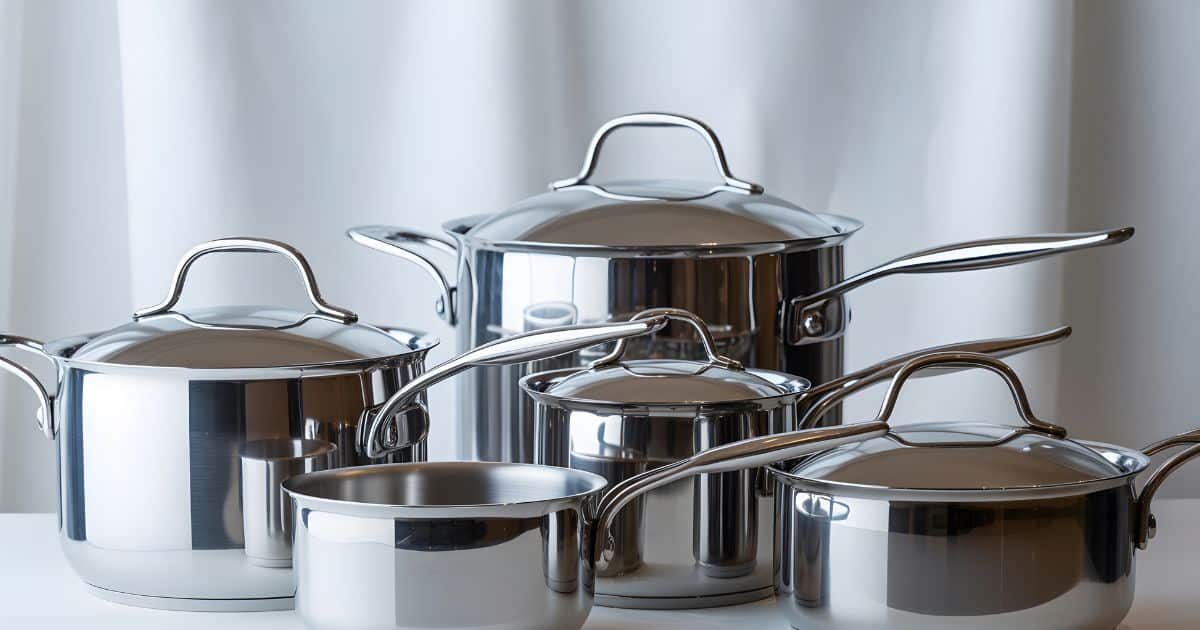
Stainless steel is widely regarded as a safe and durable cookware option, yet its safety profile depends heavily on its specific composition. Stainless steel is an alloy that typically contains iron combined with chromium and, in many cases, nickel. Chromium contributes corrosion resistance, while nickel enhances strength and shine, making cookware more resistant to rust and wear. The numeric labels commonly found on stainless steel cookware, such as 18/0, 18/8, or 18/10, indicate the percentage of chromium and nickel present in the alloy.
Nickel, while useful for durability, is a known sensitizer and neurotoxic element at higher levels of exposure. When stainless steel cookware containing nickel is used to prepare acidic foods, such as tomato-based dishes or meals containing citrus or vinegar, nickel can leach into the food. Over time, repeated exposure may contribute to systemic metal accumulation, which can stress detoxification pathways and mitochondrial function. For individuals focused on minimizing metal exposure, stainless steel labeled 18/0, which contains chromium but no nickel, offers a safer balance between performance and toxicological considerations.
Carbon Steel: A Minimalist Approach to Safer Cooking
Carbon steel cookware occupies a unique space between stainless steel and cast iron, offering strength and versatility without the need for chemical coatings. Made primarily from iron and carbon, carbon steel pans are free from PFAS and synthetic surface treatments. When properly seasoned, they develop a natural nonstick surface through polymerized oils, reducing the need for added fats while maintaining chemical stability at high temperatures. This makes carbon steel particularly suitable for searing, sautéing, and other high-heat cooking methods.
From a cellular health perspective, carbon steel presents a low-risk option because it avoids both synthetic chemicals and high levels of alloyed metals. While small amounts of iron may transfer to food, this is generally considered less problematic than exposure to PFAS or nickel, especially when cookware is well-maintained and adequately cared for.
Carbon steel does require a learning curve, including careful cleaning, thorough drying, and occasional re-seasoning, but these practices support longevity and safety. For households seeking a balance between performance and low toxicity, carbon steel is often an excellent choice.
Cast Iron and Its Role in a Low-Toxin Kitchen
Cast iron cookware has been used for generations, long before synthetic coatings were introduced to the kitchen. Its enduring popularity is rooted in durability, heat retention, and simplicity of composition. Traditional cast-iron pans are made from a single material, without chemical coatings or complex alloys, making them inherently stable under heat. Like carbon steel, cast iron relies on seasoning to create a natural nonstick surface, eliminating the need for PFAS-based treatments.
While cast iron can release small amounts of iron into food, this is typically considered less concerning than exposure to industrial chemicals or heavy metals. For many people, especially those without iron overload conditions, this contribution is minimal and may even be nutritionally neutral. Cast iron’s ability to withstand high temperatures without degradation makes it particularly supportive of cellular health, as it avoids the generation of toxic byproducts during cooking. Proper care ensures that cast-iron cookware remains a safe and reliable tool.
Pure Ceramic Cookware Versus Ceramic-Coated Alternatives
Pure ceramic cookware is fundamentally different from ceramic-coated metal pans, despite sharing a similar name. Cookware made entirely from ceramic materials contains no metal core and no synthetic nonstick coating, which significantly reduces the risk of chemical or metal leaching. This makes pure ceramic an appealing option for those seeking the cleanest possible cooking surface. Because it does not rely on PFAS or metallic alloys, pure ceramic remains stable even with repeated use at moderate temperatures.
However, pure ceramic cookware does have limitations that are important to acknowledge. It conducts heat differently than metal, often requiring longer preheating times and more attentive temperature control. It is also less forgiving of sudden temperature changes, which can lead to cracking if not handled properly. For gentle cooking methods such as simmering, sautéing vegetables, or preparing delicate foods, pure ceramic can be a supportive, low-toxin option when used appropriately.
Heat, Wear, and the Cellular Cost of Degraded Cookware
One of the most critical factors influencing cookware safety is not only the material choice but also how cookware is used and maintained. Repeated exposure to high heat, abrasive cleaning tools, and improper storage can accelerate the breakdown of even relatively safe materials. As cookware degrades, the likelihood of chemical release or metal leaching increases, adding to the body’s detoxification workload. At the cellular level, this additional burden can interfere with antioxidant systems, enzyme activity, and membrane integrity.
Choosing cookware that remains chemically stable under heat reduces the likelihood of generating oxidative stress during meal preparation. Cells are constantly balancing energy production with detoxification, and minimizing unnecessary exposure allows these processes to function more efficiently. In this context, cookware becomes part of a broader lifestyle approach aimed at supporting mitochondrial health and reducing inflammatory triggers.
Designing a Balanced, Low-Toxin Cookware Collection
A thoughtful mix of materials can meet diverse cooking needs while minimizing exposure to toxins. Carbon steel and cast iron can handle high-heat cooking and searing. Stainless steel with minimal nickel content works well for boiling and simmering, while pure ceramic offers a clean option for gentle preparations. This diversified approach reduces reliance on any single material and limits exposure to known chemical risks.
Regularly cooking with stable, low-toxin materials supports the body’s ability to maintain hormonal balance, immune resilience, and efficient detoxification. Over time, these choices contribute to a lower overall toxic load, allowing cells to prioritize repair, energy production, and communication.
References:
- Ali Sultan SA, Ahmed Khan F, Wahab A, Fatima B, Khalid H, Bahader A, Safi SZ, Selvaraj C, Ali A, Alomar SY, Imran M. Assessing Leaching of Potentially Hazardous Elements from Cookware during Cooking: A Serious Public Health Concern. Toxics. 2023;11(7):640. Published 2023 Jul 24. doi:10.3390/toxics11070640. PMID: 37505605; PMCID: PMC10386729.
- Kamerud, K. L., Hobbie, K. A., & Anderson, K. A. (2013). Stainless steel leaches nickel and chromium into foods during cooking. Journal of Agricultural and Food Chemistry, 61(39), 9495–9501. https://doi.org/10.1021/jf402400v