

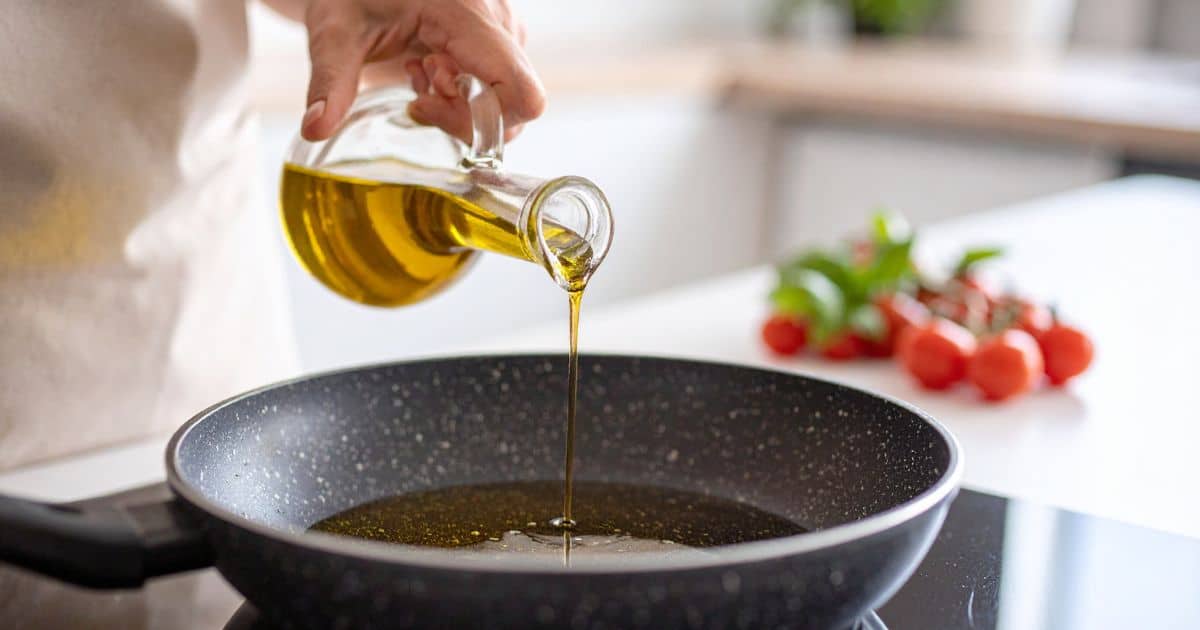
The modern conversation around cooking oils often highlights a small group of products, particularly olive oil and avocado oil, as the gold standard for healthy food preparation. These oils have gained widespread popularity due to their association with heart health, antioxidant compounds, and favorable fatty acid profiles. Many people incorporate them into everyday meals under the assumption that they are the best possible choices for sautéing, roasting, and frying.
However, the broader discussion of cooking fats has historically focused on marketing concepts such as smoke point, while overlooking the chemical changes that occur when oils are heated. Understanding how fats behave under cooking conditions provides a clearer perspective on which oils are most appropriate for different culinary tasks. When this deeper layer of information is considered, it becomes evident that certain cooking habits, though well-intentioned, may unintentionally reduce the nutritional value of foods or introduce unstable compounds into the diet. A more nuanced understanding of oil stability, oxidation, and fatty acid composition can help guide healthier choices in the kitchen.
Why Heat Alters the Chemistry of Cooking Oils
The behavior of oils changes significantly when they are heated, particularly during prolonged cooking at elevated temperatures. Oils such as olive oil and avocado oil contain valuable nutrients, including monounsaturated fats, polyphenols, and plant-derived antioxidants that are beneficial when consumed in their natural state. These compounds contribute to the reputation of these oils as health-supportive dietary fats. However, heat can disrupt the delicate molecular structures that confer these oils’ beneficial properties. Even before an oil reaches the temperature at which visible smoke appears, chemical reactions begin to occur that alter the structure of the fats within it.
Oxidation is one of the primary processes involved in this transformation. During oxidation, oxygen molecules interact with the fatty acids in the oil, leading to the breakdown of beneficial compounds and the formation of reactive byproducts. As these reactions progress, the oil gradually loses many of the nutrients that originally made it desirable from a health standpoint. The smoke point often receives attention in cooking advice because it represents the temperature at which an oil visibly begins to degrade and produce smoke. However, chemical instability can begin well before this stage is reached. In practical terms, an oil may appear to perform well during cooking because it does not immediately smoke. Yet, its molecular structure may already be undergoing significant changes that affect both flavor and nutritional quality.
When Beneficial Fats Become Less Supportive of Health
Fats are essential components of the human diet, providing energy, supporting hormone production, and assisting in the absorption of fat-soluble vitamins. Nevertheless, the health effects of fats can change depending on how they are processed and cooked. When oils are subjected to sustained high temperatures, the fatty acids they contain may undergo structural alterations, making them less stable and more reactive. This phenomenon is sometimes referred to as lipid oxidation or fat degradation. When these changes occur, the oil may generate compounds such as lipid peroxides and aldehydes, which are associated with increased oxidative stress in biological systems.
Oxidative stress refers to an imbalance between free radicals and the body’s ability to neutralize them with antioxidants. Over time, excessive oxidative stress has been linked to inflammatory processes and cellular damage. While the occasional use of heated oils is unlikely to pose a major concern in isolation, frequent consumption of oxidized fats may contribute to metabolic strain. Oils that contain higher levels of polyunsaturated fatty acids tend to be particularly vulnerable to these changes because their molecular structure includes multiple double bonds that are more susceptible to oxidation. Even oils primarily composed of monounsaturated fats, such as olive oil and avocado oil, can degrade when exposed to repeated or intense heat.
Examining the Role of Highly Processed Seed Oils
Another category of cooking fats that often appears in the modern diet includes seed-derived oils such as canola oil, soybean oil, corn oil, sunflower oil, and safflower oil. These oils are widely used in packaged foods and restaurant kitchens due to their low cost and long shelf life. The manufacturing process for many of these products involves high heat, chemical solvents, and extensive refining steps to extract oil from seeds efficiently. While these processes create oils that are stable during storage and neutral in flavor, they can also strip away natural nutrients and introduce chemical residues.
In addition, many seed oils are particularly rich in omega-6 polyunsaturated fatty acids. Omega-6 fats are not inherently harmful and are considered essential nutrients, but excessive intake relative to omega-3 fatty acids may promote inflammatory imbalances. When these oils are heated during cooking, their high polyunsaturated fat content makes them prone to rapid oxidation. As a result, compounds that may be irritating or toxic can form during both processing and high-temperature cooking. Because seed oils are so common in processed foods, individuals may already consume them in large quantities without realizing it. Reducing reliance on these oils in home cooking can be one strategy for minimizing unnecessary exposure to oxidized fats.
Using Nutrient-Rich Oils in More Appropriate Ways
Oils such as olive oil and avocado oil remain valuable components of a balanced diet when they are used in ways that preserve their beneficial compounds. Their rich content of monounsaturated fats and plant-derived antioxidants makes them particularly well-suited for applications that involve minimal heat. For example, these oils can be used effectively in salad dressings, dips, and sauces where their flavor and nutritional qualities remain intact. They can also be added to cooked foods after cooking is complete. Drizzling olive oil over roasted vegetables or incorporating avocado oil into a finished dish allows these oils to contribute both taste and nutritional value without subjecting them to the high temperatures that accelerate degradation. By reserving delicate oils for lower-heat cooking, you can enjoy their benefits while avoiding unnecessary chemical changes that occur at high heat.
Fats That Perform Better During High-Temperature Cooking
Some cooking fats are naturally more stable at high temperatures due to their fatty acid composition. Fats that contain a higher proportion of saturated fatty acids tend to have fewer double bonds in their molecular structure. Because oxidation frequently occurs at these double bond sites, oils with fewer of them are generally more resistant to chemical breakdown during cooking. Traditional fats in this category include butter, clarified butter (often called ghee), coconut oil, and certain animal fats, such as beef tallow.
These fats have been used for centuries across various culinary traditions because they remain relatively stable at higher temperatures. Their structure allows them to maintain integrity during sautéing, roasting, and frying without rapidly generating oxidized byproducts. While public health messaging during past decades often portrayed saturated fats in a negative light, emerging research has encouraged a more nuanced understanding of their role in the diet. When consumed as part of a balanced diet and sourced from high-quality ingredients, certain saturated fats can be practical and stable options for cooking.
Reevaluating the Reputation of Saturated Fats
For many years, saturated fats were widely criticized due to concerns about cardiovascular health. This perspective shaped dietary guidelines and influenced the popularity of vegetable oils that were marketed as healthier alternatives. However, more recent scientific investigations have begun to challenge some of the earlier assumptions about saturated fat consumption. From a culinary standpoint, the stability of saturated fats under heat is one of their most notable advantages. Their molecular structure allows them to withstand higher cooking temperatures without oxidizing as quickly as many polyunsaturated oils. This stability reduces the likelihood that harmful degradation products will form during typical cooking processes. Additionally, certain traditional fats, such as grass-fed butter or minimally processed animal fats, may contain fat-soluble vitamins and naturally occurring compounds that contribute to nutritional value. When these fats are used in moderation within a varied diet, they can serve as functional cooking tools.
Matching the Right Fat to the Right Cooking Method
An effective cooking strategy often involves selecting different fats based on how they will be used. Delicate oils rich in antioxidants and polyphenols are best reserved for cold or low-temperature applications, where their nutrients remain intact. Meanwhile, fats that maintain structural stability at high temperatures can be used for cooking methods such as sautéing, roasting, or frying. This approach allows individuals to benefit from the strengths of different oils rather than relying on a single option for every situation. By aligning the choice of fat with the cooking technique, it becomes easier to minimize the formation of oxidized compounds while preserving the flavor and nutritional quality of foods. Over time, this simple adjustment can contribute to a diet that places less stress on the body’s detoxification and metabolic systems.
The Broader Perspective on Non-Toxic Cooking
Food preparation is one of the most frequent and consistent sources of exposure to dietary fats. Because meals are prepared daily, the types of oils used in cooking can have cumulative effects on overall health. Paying attention to how oils behave under different conditions offers an opportunity to make meaningful improvements without drastically changing the foods people enjoy.
Choosing fats based on their chemical stability can help reduce exposure to degraded oils and support long-term cellular health. This shift does not require extreme dietary restrictions or complicated cooking techniques. Instead, it involves understanding the basic science of how fats interact with heat and applying that knowledge in practical ways. When cooking methods align with the natural properties of different oils, meals can become both more flavorful and more supportive of overall well-being.
References:
- Abdollahi, S., Soltani, S., Ramezani-Jolfaie, N., Mohammadi, M., Sherafatmanesh, S., Lorzadeh, E., & Salehi-Abargouei, A. (2024). The effect of different edible oils on body weight: a systematic review and network meta-analysis of randomized controlled trials. BMC Nutrition, 10(1), 107.https://doi.org/10.1186/s40795-024-00907-0
- DiNicolantonio, J. J., & O’Keefe, J. H. (2017). Good fats versus bad fats: A comparison of fatty acids in the promotion of insulin resistance, inflammation, and obesity. Missouri Medicine, 114(4), 303–307.https://www.ncbi.nlm.nih.gov/pmc/articles/PMC6140086/
- Serreli G, Boronat A, De la Torre R, Rodriguez-Moratò J, Deiana M. Cardiovascular and Metabolic Benefits of Extra Virgin Olive Oil Phenolic Compounds: Mechanistic Insights from In Vivo Studies. Cells. 2024;13(18):1555. doi: 10.3390/cells13181555. PMID: 39329739; PMCID: PMC11430205.