

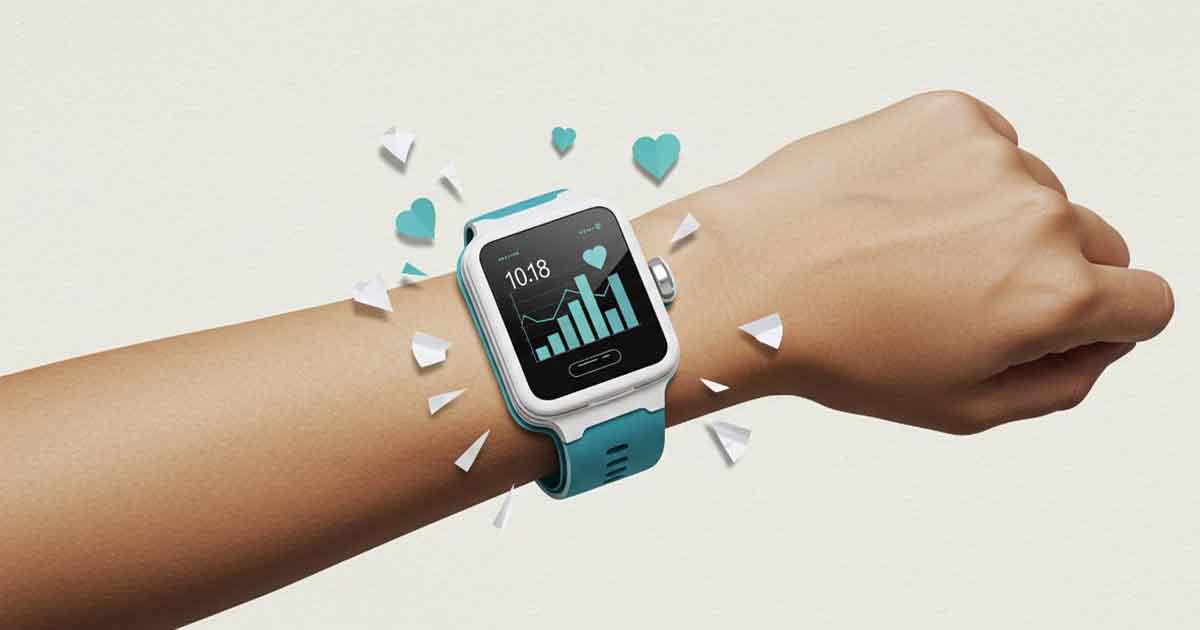
Smartwatches have become one of the most widely adopted wearables in the modern tech landscape, seamlessly integrating into nearly every aspect of daily life. They track steps, deliver incoming messages, log heart rate data, nudge users to stand up, and glow against the wrist from morning until late at night without attracting much conscious attention. For many consumers, the device feels like a natural extension of the body rather than a piece of electronics.
As adoption rates continue to grow at an unprecedented speed, one crucial consideration lingers in the background: what does it mean for long-term health to maintain constant physical contact with a wireless device for years at a time? This is not a rejection of innovation or a call to abandon technological progress; it is a reminder that the human body operates on principles shaped by biology, not engineering, and those two systems do not constantly evolve at the same pace. When a convenience tool transforms into an ongoing physiological input, it becomes reasonable to pause and evaluate the full scope of its influence.
What It Means to Wear Wireless Signals on the Skin All Day
Most smartwatches utilize a combination of Bluetooth, Wi-Fi, cellular connectivity, and other wireless communication technologies to stay synced with phones or data networks. These technologies rely on radiofrequency electromagnetic fields (RF-EMFs), a form of non-ionizing radiation that does not break DNA strands but still interacts with biological tissues. The concern is not rooted in the strength of a single burst of signal, which is typically low, but in the uninterrupted nature of the exposure when a device is worn continuously.
Unlike mobile phones that are usually kept in bags or held away from the body, a smartwatch maintains direct contact with the skin over arteries, tendons, and soft tissues for many hours every day. Proximity matters because persistent low-level exposure provides a fundamentally different biological context than brief interactions. Research exploring long-term RF-EMF interaction has raised questions about its potential influence on heart rate variability, sleep quality, oxidative stress patterns, and autonomic nervous system activity. Even modest effects become meaningful when exposure is chronic rather than seasonal or occasional.
Several studies have also suggested that prolonged exposure to EMF may interfere with melatonin regulation, a hormone essential for regulating sleep cycles, immune coordination, neurological repair, and metabolic stability. Melatonin disruptions can alter the deep sleep architecture even when total sleep quantity does not change noticeably. Ironically, this means a device marketed to support sleep analytics may contribute to the disturbances it later reports.
Understanding Heart Monitoring and Its Biological Context
Many individuals rely on smartwatches for continuous heart rate tracking, atrial fibrillation detection, and cardiovascular performance data, which can be used during exercise or daily activities. While these features can support early awareness and general wellness habits, they also introduce an ongoing source of electromagnetic input near a highly sensitive electrical organ. The heart operates through precise electrical signaling pathways that control rhythm, contraction strength, and coordination between chambers. External electromagnetic fields have been shown in some research to influence bioelectrical stability, although the specific effects depend on frequency, duration, and individual physiology.
Continuous exposure does not automatically create heart dysfunction, nor does it present a guaranteed hazard for every user. The real issue is the absence of long-term generational data showing how decades of near-field RF exposure affect one of the body’s most electrically active systems. In situations where scientific certainty has not yet caught up to technological adoption, caution is not a sign of alarm; it is a sign of responsible risk management.
The Hidden Concerns Inside Wristband Materials
The conversation about wearable health impacts often focuses on electromagnetic exposure; however, the physical materials used in wristbands also deserve equal attention. Most smartwatch straps are made from silicone-based polymers, which are designed for elasticity, sweat resistance, and durability. While silicone is often marketed as inert, chemical analyses have revealed that certain bands contain per- and polyfluoroalkyl substances (PFAS), a chemical group known for extreme persistence in both the environment and human tissues.
PFAS are associated with a wide range of health concerns, including endocrine interference, liver enzyme changes, metabolic disturbances, reproductive impacts, immune weakening, and possible carcinogenic effects according to multiple studies. When a silicone band is worn tightly against the skin, especially during exercise or warm weather, sweat and heat can enhance the transfer of chemicals from the material to the body.
Human skin is permeable enough to absorb numerous compounds, which is why transdermal medication patches successfully deliver nicotine, hormone therapy, or pain treatments. Extended skin contact with chemical residues is not automatically benign simply because the source is a consumer product. When exposure occurs daily for years, even low levels may accumulate in ways that deserve closer examination.
Why Cultural Normalization Can Obscure Biological Risks
A significant reason the smartwatch safety discussion receives little mainstream attention is the cultural normalization of the issue. When a product is widely used, visually appealing, and endorsed by influential companies, it often gains an implicit reputation for safety regardless of available data. However, history provides many examples of popular items later revealed to carry hidden costs, including lead-based materials, endocrine-disrupting plastics, synthetic fragrances, and industrialized food additives once considered harmless. Popularity does not guarantee neutrality; it simply accelerates adoption before research has time to reach definitive conclusions.
The rapid adoption of smartwatches into mainstream culture has occurred incredibly quickly, resulting in a lag behind consumer enthusiasm regarding their long-term biological effects. As a result, millions of people wear wireless transmitters, biometric sensors, chemical-laced bands, and multiple antennas against their skin day and night, without a meaningful public conversation about what this pattern might mean over the course of several decades.
Continuous Exposure Leaves the Body Without a Rest Period
The body is designed to recover when external inputs decline, but continuous wearable use creates a situation where exposure becomes constant. When a smartwatch remains on the wrist during sleep, exercise, work, relaxation, and travel, the body never receives a true pause from physical contact with RF signals or the materials of the wristband. This matters because most cellular repair, hormone balancing, immune regulation, neuronal recovery, and tissue restoration take place during sleep or periods of reduced environmental stimulation. If wireless signaling or chemical exposure remains active during these windows, natural rhythms may become disrupted even if symptoms remain subtle for long periods.
The idea that technology is safe until proven otherwise no longer aligns with current scientific understanding of chronic low-level exposures. A more relevant question is whether continuous contact is necessary to achieve the benefits that smartwatches provide, or whether strategic usage patterns could preserve these advantages without creating an unnecessary physiological burden.
Adopting a Balanced and Practical Approach
A balanced approach emphasizes duration, distance, and informed decision-making. Removing the device during sleep gives the body uninterrupted time for neurological, hormonal, and metabolic repair. Taking it off during sedentary periods, such as desk work, reading, or evening downtime, can significantly reduce daily exposure without compromising functionality. Wearing the device only during intentional tracking periods, such as exercise sessions or outdoor activities, transforms chronic contact into targeted use that aligns with biological resilience. Choosing alternative wristband materials reduces potential chemical exposure immediately, especially for people who wear the device tightly or experience sweating under the band. Options such as stainless steel, woven cotton, hemp, titanium, canvas, or high-quality leather offer a lower chemical risk compared to silicone or petroleum-based polymers. Material choice is not superficial; it determines how the skin interacts with the device every hour it is worn.
Rewriting the Relationship Between Wearable Tech and Health
Innovative technology has enormous value, particularly when used intentionally. The goal is not to eliminate innovation but to integrate it in ways that respect the body’s need for boundaries and recovery. Awareness transforms the user from a passive participant into an informed decision-maker. A smartwatch can provide valuable data without being attached to the body around the clock, and the body functions better when unnecessary exposures are limited. The most important aspect of wearable health is not the device’s intelligence but the user’s discernment.
The Bottom Line
Health-focused technology performs best when it enhances human biology rather than competing with it. Smartwatches will not disappear; they will continue to offer benefits for fitness tracking, communication, stress monitoring, and early detection. However, the assumption that continuous contact is harmless is outdated. It does not reflect the growing body of evidence related to radiofrequency exposure, material toxicity, and the importance of physiological rest periods. The next evolution of wearable technology may not involve adding more sensors or increasing wireless capabilities; it may include utilizing these devices in ways that support the body. Thoughtful boundaries represent the actual upgrade in how modern consumers interact with digital health tools.
References:
- Gallucci, S., Bonato, M., Benini, M., Chiaramello, E., Fiocchi, S., Tognola, G., & Parazzini, M. (2022). Assessment of EMF human exposure levels due to wearable antennas at 5G frequency band. Sensors (Basel), 23(1), 104.https://doi.org/10.3390/s23010104
- Schuermann, D., & Mevissn, M. (2021). Manmade Electromagnetic Fields and Oxidative Stress—Biological Effects and Consequences for Health. International Journal of Molecular Sciences, 22(7), 3772. https://doi.org/10.3390/ijms22073772
PMID: 33917298; PMCID: PMC8038719 - International Agency for Research on Cancer. Non-ionizing Radiation, Part 2: Radiofrequency Electromagnetic FieldsExit Disclaimer. Lyon, France: IARC; 2013. IARC monographs on the evaluation of carcinogenic risks to humans, Volume 102.