

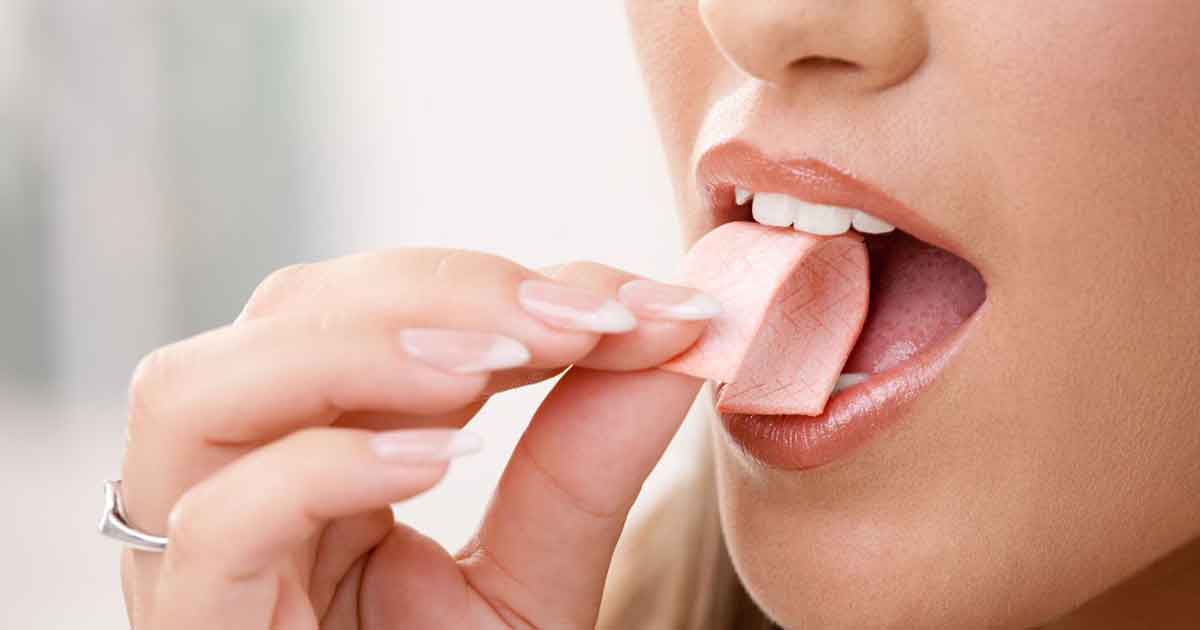
Chewing gum is one of those ordinary products that easily blends into the background of daily life. It is not exactly food, yet it is not entirely separate from the world of edible items, leaving it in a unique middle category that most people rarely examine closely. It is treated almost like a benign accessory: a small item that travels in pockets, backpacks, desk drawers, and car consoles without much thought. For decades, it has been passed around classrooms, used to refresh breath before conversation, and relied on as a tool to ease nerves or occupy the mouth during long periods of concentration. However, when people pause long enough to consider a basic but essential question, what materials actually make up this product that the body routinely chews, an entirely different picture begins to emerge, prompting a reevaluation of a widespread habit.
Understanding the Modern Gum Base
Nearly every mainstream gum on the market relies on something broadly described as “gum base,” a term that sounds harmless but hides a complex mixture of engineered materials. This base typically comprises a combination of elastomers, resins, plasticizers, softeners, and emulsifiers, all carefully calibrated to produce the familiar chewiness characteristic of modern gum. While the phrase “gum base” might evoke images of a natural resin tapped from trees or harvested from plants, this assumption no longer reflects contemporary formulations. Instead, many gum bases incorporate synthetic polymers, including compounds such as polyvinyl acetate, which is also used in certain adhesives, industrial coatings, and various types of plastic products.
The presence of these polymers does not inherently violate regulatory standards. Still, it raises a meaningful question about why a petroleum-derived material is included in something placed in the mouth, warmed, moistened, and mechanically broken down for extended periods. Synthetic gum bases are designed for durability, flexibility, and stability, rather than for nutritional or biological compatibility. This distinction matters because what the body interacts with directly inside the mouth is not simply flavor and sweetness, but a blend of substances engineered primarily for texture and long-lasting chew.
Why Allowed Isn’t Always Ideal
Gum ingredients used in production undergo regulatory review, and governing agencies authorize specific synthetic polymers based on thresholds that determine their safety under expected conditions of use. Approval, however, does not imply endorsement of these substances as beneficial or biologically supportive; it only indicates that they do not exceed established limits for toxicity under typical exposure scenarios. This gap between regulatory approval and biological suitability becomes especially relevant when a product is used frequently, habitually, or in ways that regulators may not have originally envisioned.
Many consumers do not chew gum sporadically, but instead engage with it multiple times per day over months or years, transforming what was once an occasional practice into a repeated exposure event. When gum becomes a daily companion during commutes, work sessions, workouts, or moments of stress, the question shifts from whether a substance is “permitted” to whether consistent contact with synthetic polymers in the mouth aligns with long-term health goals. The oral environment is warm, moist, and highly active, meaning ingredients are subjected to friction, enzymes, and constant mechanical pressure. Over long periods, repeated exposure warrants consideration beyond regulatory checkboxes that assume infrequent or passive contact.
The Role of Microplastics in the Gum Discussion
Any conversation about synthetic polymers in gum inevitably intersects with the global issue of microplastics. Microplastics, tiny plastic fragments smaller than five millimeters, are increasingly found in oceans, soils, household dust, drinking water, agricultural fields, and even the air inside homes. Although gum base is not typically classified as a microplastic at the time of manufacturing, it contains polymeric materials that may degrade into smaller particles as they are chewed. The mechanical action of chewing introduces both friction and pressure, which can contribute to physical wear of the material.
The mouth is not an environment where materials remain entirely unchanged, and research consistently shows that synthetic substances exposed to repetitive movement and heat can release microscopic fragments. Scientists are still investigating whether particles shed during chewing behave similarly to environmental microplastics. Still, the concern is directionally consistent with the broader understanding of how plastics break down. Since microplastics have been detected in various human tissues, including organs and vascular structures, scientists are examining their potential connection to oxidative stress, inflammation, and cellular disruption.
While these findings do not prove causation, they illustrate that plastic exposure is now a biological reality rather than an abstract environmental discussion. Gum becomes part of this broader narrative when its polymeric components are considered through the lens of mechanical degradation inside the body.
Cumulative Exposure and the Modern Chemical Burden
The gum issue is not that it represents the most significant or dangerous source of plastic exposure. Instead, gum contributes to an overall pattern of increasing encounters with synthetic materials that accumulate across daily life. People encounter microplastics in municipal water systems, food packaging, non-stick cookware, synthetic clothing fibers, personal care products, and airborne particles released from car tires and building materials. While no single source may seem alarming in isolation, the cumulative effect of multiple exposures creates a total chemical load that the body must manage, detoxify, or attempt to compartmentalize.
Gum stands out not because of the amount of material involved, but because it represents an entirely voluntary and controllable exposure type, introduced directly into one of the most permeable areas of the body. Unlike ambient environmental exposure, chewing gum is an intentional behavior placed directly at the gateway of digestion and absorption. Given the role of the oral cavity in signaling digestive processes, regulating pH, and maintaining the microbiome, introducing synthetic polymers to this environment warrants thoughtful consideration, especially for individuals seeking to minimize avoidable chemical burdens.
Why Health-Focused Consumers Should Pay Even Closer Attention
Many individuals who buy gum do so with the intention of making healthier choices, especially when opting for sugar-free varieties. Choosing products without cane sugar or corn syrup often feels like a protective decision, particularly for those who are mindful of blood sugar regulation, dental health, or yeast overgrowth. Unfortunately, the shift to sugar-free gum shifted the industry toward a heavier reliance on synthetic sweeteners, chemical flavor carriers, and polymer-based chew components. In other words, removing sugar did not automatically result in a cleaner product; instead, it redirected the formulation toward ingredients designed to mimic sweetness, smoothness, and longevity without contributing calories.
While the intention behind sugar-free gum is understandable, the unintended outcome is that many people now consume gum with more artificial additives than before. For health-oriented consumers, this creates a gap between expectation and reality, making it especially important to understand what modern gum contains beyond flavor.\
Why the Topic Feels Personal for Many People
Gum holds cultural, nostalgic, and emotional value, which explains why discussions about its ingredient safety can spark defensiveness or disbelief. Many people associate gum with childhood memories, social moments, sports practices, or workplace routines, making it feel harmless by association. When a habit has never produced noticeable symptoms, it is easy to assume it is free of long-term consequences. However, many exposures that influence cellular health do so gradually, silently, and without obvious external signs. The absence of immediate symptoms does not guarantee the absence of biological impact, especially with low-level, repeated interactions. The idea that something so ordinary could have a less-than-ideal profile challenges assumptions about daily routines, which is part of why this topic often elicits strong emotional responses.
A Smarter Question: From Safety Toward Necessity
When evaluating the role of gum in modern life, the most relevant question may not be whether the product is allowed by regulatory bodies but whether it supports long-term health goals. Many meaningful improvements in wellness do not emerge from dramatic detox programs or drastic eliminations. Instead, they often come from small decisions that accumulate over years, decisions that reduce unnecessary exposure and align more closely with biological compatibility.
Gum is not essential for physiological health, and alternatives exist for breath freshening, stress relief, and oral stimulation. By examining the composition of different gum types, individuals can choose more natural formulations made with plant-derived resins, such as chicle or mastic gum, which have historically served as the basis for chewing before synthetic polymers became the standard. These materials offer a satisfying chew without introducing petroleum-derived substances into the mouth. For those who chew gum out of habit rather than intention, substituting or reducing consumption may provide a substantial opportunity to lessen avoidable chemical interactions.
The Bottom Line: A Small Habit Worth Rethinking
Reassessing gum involves recognizing that modern gum formulations rely on ingredients that may not align with a health-first lifestyle. Chewing synthetic polymers every day does not reflect ancestral patterns or natural biological needs. Fortunately, making a more aligned choice is relatively simple, requiring only awareness and a willingness to consider alternatives. Natural resins, reduced frequency, or eliminating gum are all reasonable approaches that support the body’s effort to minimize unnecessary exposures. In the broader landscape of environmental chemicals, microplastics, and modern additives, gum represents an easy opportunity to opt out of one more source of synthetic material.
Consistent, everyday actions shape health, and reevaluating long-standing habits can lead to meaningful improvements over time. Sometimes the simplest upgrades emerge from the products people never thought to question.
References:
- Sun, J., Sui, M., Wang, T., Teng, X., Sun, J., & Chen, M. (2024). Detection and quantification of various microplastics in human endometrium based on laser direct infrared spectroscopy. Science of the Total Environment, 906, 167760. https://doi.org/10.1016/j.scitotenv.2023.167760
- Vitale M, Costabile G, Testa R, D’Abbronzo G, Nettore IC, Macchia PE, Giacco R. Ultra-processed foods and human health: A systematic review and meta-analysis of prospective cohort studies. Adv Nutr. 2024 Jan;15(1):100121. doi: 10.1016/j.advnut.2023.09.009. Epub 2023 Dec 18. PMID: 38245358; PMCID: PMC10831891.1