

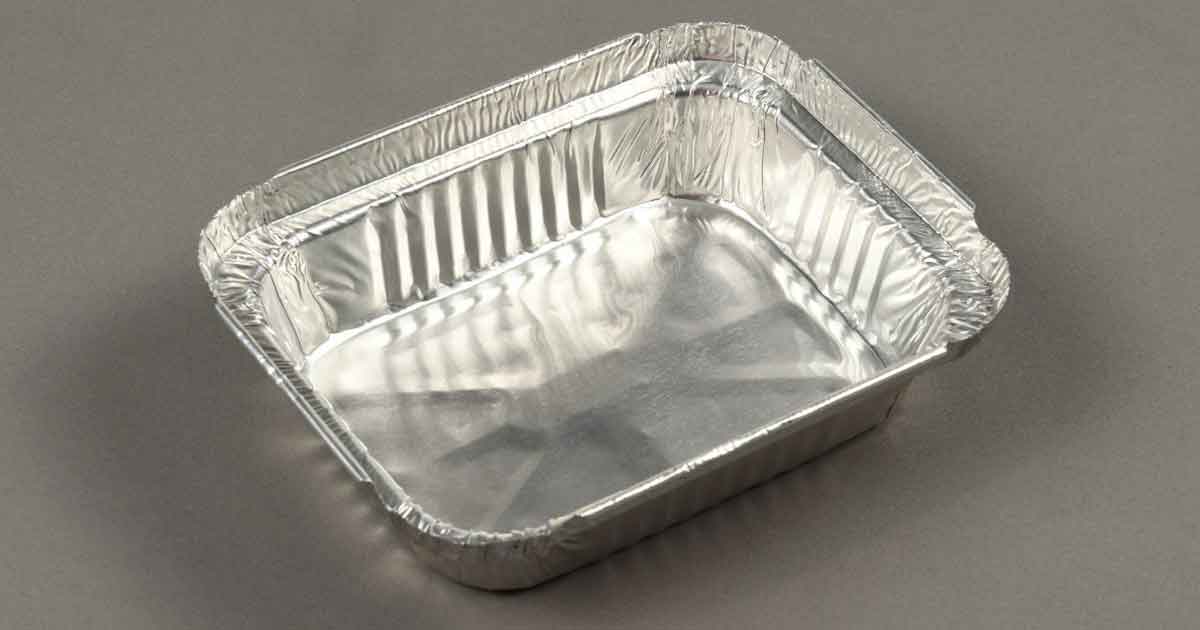
Holiday gatherings often inspire an atmosphere of warmth and abundance, filling kitchens with the aroma of roasted vegetables, simmering sauces, and the centerpiece dish that anchors the celebration. During this busy season, people spend an extraordinary amount of time preparing food, yet the materials used for cooking rarely receive the same scrutiny as recipes or ingredients. Disposable aluminum roasting pans have become a staple of convenience, especially for large meals, because they offer an easy way to handle heavy food without adding to the cleanup workload. While these pans may seem harmless at first glance, their behavior under heat tells a very different story. Unless people understand how aluminum responds to the cooking process, they may unintentionally introduce unwanted metals into the very dishes they prepare with care.
The Hidden Chemistry Behind Aluminum During Cooking
Aluminum is one of the most widely used materials for cookware in home kitchens, despite its popularity and low cost. When heat, moisture, fat, and acidic ingredients interact with aluminum, chemical reactions occur on the surface of the pan, allowing the metal to leach into the food being cooked. A whole turkey is an ideal example because it cooks slowly, releases juices continuously, and often includes acidic ingredients such as lemon, vinegar-based brines, or seasoned marinades that enhance reactivity. The combination of prolonged exposure and elevated temperature creates conditions that make aluminum far more likely to leach than it would during short, low-heat cooking tasks. As a result, even though not all the aluminum in the pan dissolves, measurable amounts can end up in the meal.
Why Accumulated Aluminum Exposure Matters for Long-Term Health
Aluminum is not an essential nutrient, and the body has limited mechanisms to eliminate significant amounts of it, allowing it to accumulate in tissues over time. While environmental exposure to small quantities is everyday, the concern grows when multiple sources, including cookware, foil, food packaging, processed foods, water, antacids, and personal care products, are combined.
Research has linked elevated aluminum levels with neurological stress, including associations with cognitive decline and impaired cellular signaling in the brain. Some studies have linked high aluminum exposure to oxidative stress, which affects multiple organ systems, promoting inflammation and disrupting normal biochemical pathways. Although one meal does not lead to toxicity, repeated exposure from daily habits can contribute to a heavy metal burden that may take years to reverse.
Why Holiday Meals Can Create a Perfect Storm for Aluminum Migration
Large holiday dishes typically place cookware under maximum stress. The heating time is extended, the internal moisture levels are high, and the temperature remains elevated for hours at a time. This extended exposure is quite different from quickly sautéing vegetables or briefly warming leftovers, meaning the cookware has more opportunity to release particles into the food. Turkeys, roasts, and other centerpiece entrées often sit in their own juices for hours, creating an acidic and fatty environment that interacts aggressively with aluminum. As steam circulates inside the oven and condenses back onto the roasting pan, the repeated cycle of heating and cooling causes further breakdown on the metal’s surface. All of these conditions combine to make holiday cooking a uniquely high-risk scenario for the transfer of aluminum into food.
The Truth About “BPA-Free” Plastic Roasting Bags
Many people trying to avoid aluminum turn to plastic roasting bags marketed as “BPA-free,” assuming these are safer for high-temperature cooking. The term “BPA-free” creates a misleading sense of safety because it only indicates the absence of one specific chemical, not the absence of all harmful plastic additives. Modern plastics often rely on substitute compounds, including BPS, BPF, phthalates, and other plastic softeners, that can leach into food when the plastic is exposed to temperatures of 200°F or higher. Heat accelerates the breakdown of these compounds, and roasting bags experience high moisture, continuous steam exposure, and prolonged cooking times, making them particularly vulnerable. Chemical migration from plastics can move into drippings, juices, vapor, and eventually the food itself, adding a different set of concerning substances to the meal. For individuals seeking to minimize overall chemical exposure, these bags merely replace one source of contamination with another.
The Impact of Heat and Time on Plastic Additives
Plastic compounds behave unpredictably when exposed to temperatures above their intended thresholds, and many roasting bags are used near or at their maximum recommended heat limits. Even when products appear intact after cooking, chemical bonds within the plastic can break, releasing small molecules into the cooking environment. These molecules may act as endocrine-disrupting chemicals, influencing hormone balance, metabolic processes, immune function, and reproductive health, depending on the type of compound and the level of exposure. Plastic additives have been detected in steam, food, and oven air in laboratory tests, indicating that migration can occur without the plastic melting or visibly deforming. When factoring in the long cooking times required for holiday meals, the cumulative release becomes even more significant.
Safer Cookware Materials Worth Considering for Holiday Meals
Avoiding aluminum and high-heat plastics does not require sacrificing flavor, tenderness, moisture, or practicality. Several cookware materials maintain stability under high temperatures, resist chemical reactions, and preserve the purity of the food. High-quality ceramic cookware is one of the best choices, as pure ceramic is non-reactive and able to withstand extended high-temperature cooking without releasing contaminants. Glass bakeware, although sometimes limited in size for huge dishes, performs exceptionally well for casseroles, sides, and desserts, remaining entirely inert during use. Stainless steel is another option, but not all grades behave equally; 18/0 stainless steel contains no nickel, making it the least reactive type and a strong choice for roasting pans or oven-safe trays. These materials offer consistency and durability.
How Non-Reactive Cookware Improves Flavor and Texture
Safer materials do more than protect against chemical leaching; they can also enhance culinary results. Ceramic and glass distribute heat evenly, preventing scorching or uneven browning that can sometimes occur with thin aluminum trays. Stainless steel, especially in higher-quality grades, creates a crisp, golden exterior on roasts without imparting any off-taste to the food, unlike reactive metals that can occasionally do so. Because these materials hold heat more effectively, the cooking environment stays stable, allowing proteins to break down gently and fats to render consistently.
Many home cooks have noticed that turkeys roasted in ceramic or stainless steel pans retain moisture more effectively, resulting in a more tender and flavorful final product. Over time, investing in safer cookware improves both the culinary experience and the long-term health benefits of each meal.
The Role of Heavy Metals in Chronic Exposure
Aluminum is only one of several metals that people may unknowingly ingest from cookware, but reducing exposure to it can significantly lower the cumulative toxic load. Heavy metals, such as aluminum, lead, and cadmium, can enter the body through food, water, and the environment, accumulating in tissues like the brain, bones, and fatty organs. Once stored, they can interfere with cellular processes, energy production, and detoxification pathways, potentially contributing to inflammation or oxidative stress. While the body can remove some metals gradually, high exposure from multiple sources can overwhelm the natural detoxification mechanisms, allowing metals to accumulate and persist for extended periods. Since food is a daily exposure source, eliminating metal migration from cookware is one of the simplest and most effective ways to support long-term health.
Rethinking Convenience in the Kitchen
Modern life encourages shortcuts, and disposable pans perfectly fit that mindset because they eliminate cleanup and reduce preparation time. However, convenience often hides costs that are not immediately visible, and aluminum cookware is a prime example. The heavy metal exposure that results from using low-quality materials can undermine the nutritional value of the meals served, especially when cooking for children, pregnant individuals, or anyone with chronic health concerns. When the long-term implications are considered, upgrading cookware becomes an investment in health. Choosing stable materials means people can enjoy the simplicity and safety of preparing meals without adding subtle but avoidable toxic exposures.
Building a Low-Tox Holiday Strategy That Supports Wellness
Holiday cooking presents a powerful opportunity to minimize a substantial source of heavy metal contact, and the benefits extend far beyond a single meal. Replacing aluminum pans with non-reactive alternatives reduces unnecessary chemical exposure, supports neurological and hormonal health, and protects vulnerable family members from long-term health risks. Because cookware interacts directly with food for extended periods, this change has a far more meaningful impact.
Bringing It All Together for Safe, Nourishing Holiday Cooking
Preparing a holiday feast is an act of generosity and care, and the tools used to cook that meal should reflect the same intention. Aluminum pans and plastic roasting bags may appear harmless, but they introduce unnecessary risks that accumulate over time and can affect the health of those gathered around the table. Choosing alternatives such as 100% ceramic, tempered glass, or high-quality stainless steel allows home cooks to avoid hidden exposures without compromising flavor, convenience, or tradition. These materials enable the preparation of a holiday meal that supports wellness, strengthens family traditions, and eliminates a preventable source of contamination.
References:
- Jackson JS, Rout P. Aluminum Toxicity. StatPearls [Internet]. Treasure Island (FL): StatPearls Publishing; 2025 Jan–. Updated 2024 Oct 26. PMID: 39536138.
- Ali Sultan SA, Ahmed Khan F, Wahab A, Fatima B, Khalid H, Bahader A, Safi SZ, Selvaraj C, Ali A, Alomar SY, Imran M. Assessing Leaching of Potentially Hazardous Elements from Cookware during Cooking: A Serious Public Health Concern. Toxics. 2023;11(7):640. Published 2023 Jul 24. doi:10.3390/toxics11070640. PMID: 37505605; PMCID: PMC10386729.
- Bryliński Ł, Kostelecka K, Woliński F, Duda P, Góra J, Granat M, Flieger J, Teresiński G, Buszewicz G, Sitarz R, Baj J. Aluminium in the Human Brain: Routes of Penetration, Toxicity, and Resulting Complications. Int J Mol Sci. 2023;24(8):7228. Published 2023 Apr 13. doi:10.3390/ijms24087228. PMID: 37108392; PMCID: PMC10139039.