

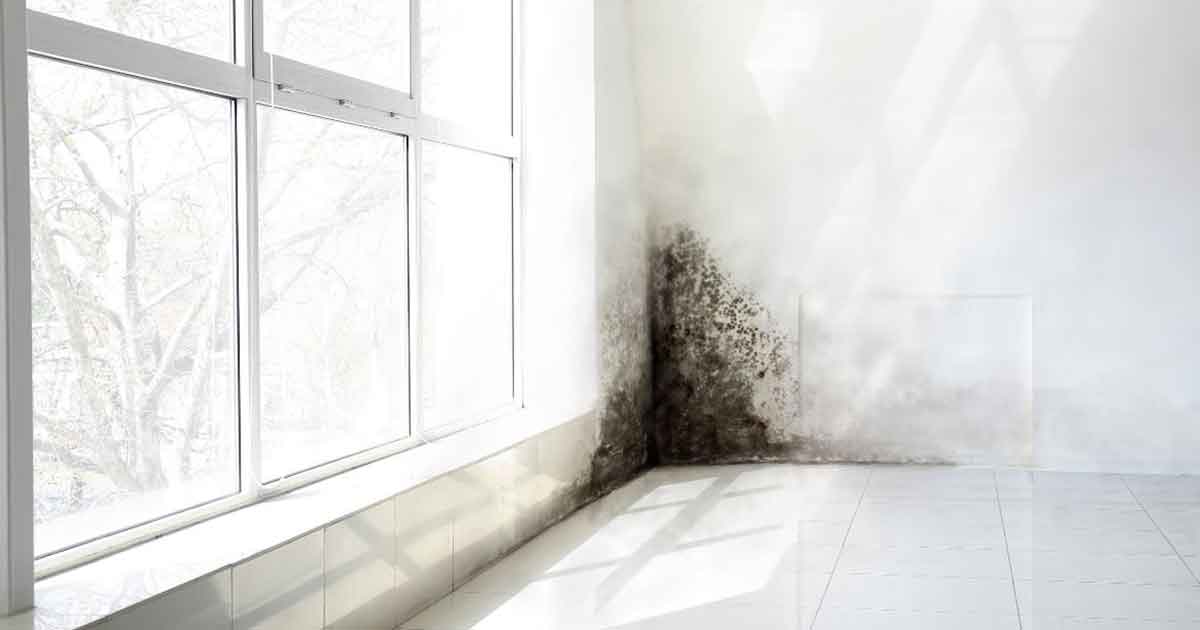
When most people think about mold, they imagine a patch of fuzz on old food or dark spots creeping along bathroom grout. In reality, mold is far more invasive and insidious than many realize. Invisible spores can circulate throughout your living space, settling in hidden corners, HVAC systems, walls, carpets, or even mattresses. These spores release toxic byproducts known as mycotoxins: microscopic compounds that can infiltrate the body and contribute to chronic health issues. Because mold thrives in damp, humid environments, it can quietly colonize homes for years before anyone notices a problem.
Mold Exposure: The Unseen Burden on the Body
Even without visible mold growth, exposure can still occur. Many individuals live with low-level contamination without ever realizing it. Mold spores can be easily inhaled or absorbed through the skin, triggering an inflammatory response. Over time, this exposure adds to the body’s toxic burden, straining detoxification organs like the liver and kidneys. The immune system must constantly stay on alert, leaving little energy for repair or regulation. Subtle signs such as fatigue, brain fog, sinus issues, skin irritation, or persistent grogginess upon waking can all hint at chronic mold exposure. Because these symptoms overlap with other common ailments, they are often dismissed or misdiagnosed, allowing the underlying issue to persist.
Mold toxicity can also disrupt hormonal balance and weaken mitochondrial function, the very process responsible for producing cellular energy. This can lead to feelings of exhaustion that no amount of rest seems to fix. The more prolonged the exposure continues, the more the body struggles to maintain homeostasis, which may result in heightened inflammation and increased sensitivity to other environmental toxins.
How Mold Hijacks the Environment
Mold spores are naturally present in the air, but indoor environments provide the perfect breeding ground for overgrowth. Leaky roofs, poorly ventilated bathrooms, and damp basements all create the conditions for moisture mold to multiply. Once established, colonies release microscopic spores that circulate through the air and attach to various surfaces, including fabrics, dust, and other materials. These spores can survive for long periods, even in dry conditions, waiting for humidity to rise so they can flourish again. HVAC systems are particularly problematic, as they can spread contaminated air throughout an entire building, ensuring that exposure is constant and unavoidable unless the problem is addressed at its source.
Supporting the Body’s Natural Detox Systems
While identifying and remediating mold sources is essential, detoxification from mold exposure requires supporting the body’s innate cleansing systems. The good news is that nature provides powerful, accessible tools to help restore balance. These strategies not only help clear mold toxins but also enhance overall wellness, immune resilience, and energy production.
-
Harness the Healing Power of Sunlight
Natural sunlight offers profound benefits for those recovering from mold exposure. Beyond improving mood, sunlight triggers the production of antimicrobial peptides: natural compounds that help defend the body against bacteria, fungi, and mycotoxins. Morning sunlight exposure between sunrise and 10 a.m. helps regulate circadian rhythm, balancing hormones and improving sleep quality. Spending at least 15 to 20 minutes outdoors each day without sunscreen allows the body to synthesize vitamin D, a nutrient critical for immune function and inflammation control. For individuals residing in areas with limited sunlight, high-quality red light therapy can offer many of the same benefits, supporting mitochondrial repair and enhancing the body’s ability to process environmental toxins more effectively.
-
Grounding: Restoring the Body’s Electrical Balance
Grounding, or earthing, involves direct contact between the body and the earth’s surface, such as walking barefoot on grass, sand, or soil. This practice allows the body to absorb free electrons from the ground, which act as natural antioxidants, neutralizing excess free radicals and reducing oxidative stress. Mold exposure often triggers inflammation and cellular stress, leaving the nervous system overactive and the body fatigued. Grounding helps restore electrical balance, promoting calm and supporting the body’s repair mechanisms. Just 10 to 20 minutes of daily grounding can enhance circulation, reduce inflammation markers, and improve energy levels. For those who are unable to go outdoors regularly, grounding mats or conductive sheets provide a convenient indoor alternative.
-
Gentle, Consistent Movement for Detox Support
When dealing with mold toxicity, excessive exercise can do more harm than good by mobilizing toxins faster than the body can eliminate them. Instead, focus on low-impact, rhythmic activities that encourage circulation and lymphatic drainage. The lymphatic system serves as the body’s waste removal network, but unlike blood, it lacks a pump and relies on movement to function effectively. Gentle rebounding, bouncing lightly on a mini trampoline, stimulates lymph flow and assists in toxin removal without overexertion. Other excellent options include yoga, Pilates, stretching, and brisk walking. These forms of movement help regulate breathing, oxygenate tissues, and maintain energy balance while minimizing stress on the body. Consistency is more important than intensity; the key is to move daily in a way that feels supportive rather than draining.
-
The Importance of Deep, Restorative Sleep
During sleep, the body performs its most vital detox functions. The brain’s glymphatic system becomes active, clearing metabolic waste and neurotoxins that accumulate throughout the day. Mold exposure often disrupts this process by increasing inflammation and interfering with hormones like melatonin and cortisol. Restless nights, vivid dreams, or trouble staying asleep are all common in individuals struggling with mold toxicity. Improving sleep quality can significantly enhance recovery and overall well-being. To optimize rest, maintain a consistent bedtime, limit screen exposure before sleep, and keep the bedroom cool and dark. Air purifiers with HEPA filters can reduce airborne spores while removing synthetic fragrances and cleaning products, preventing additional chemical irritation. High-quality sleep enables the immune and detoxification systems to function efficiently, allowing the body to eliminate mold toxins more effectively.
-
Natural Binders: Capturing and Removing Mycotoxins
Even with improved lifestyle habits, the body sometimes needs extra support to eliminate mold-related toxins. Natural binders are compounds that attach to mycotoxins in the digestive tract, preventing them from being reabsorbed into the bloodstream. Super activated carbons are typical examples of these substances. They act like sponges, capturing toxins so they can be safely excreted through the stool. Because binders can also interfere with nutrient absorption, they should be taken away from meals or supplements and accompanied by plenty of water. Consistent use over time can lighten the body’s toxic load, reducing symptoms such as fatigue, headaches, or digestive upset.
-
Nourishing the Gut and Liver: Your Primary Detox Organs
The liver and gut are the body’s primary detoxification powerhouses, processing and filtering toxins before they are eliminated from the body. Mold exposure can overwhelm these systems, leading to sluggish digestion, bloating, and mental fog. Supporting these organs through nutrition and hydration is vital. Cruciferous vegetables like broccoli, cauliflower, and kale contain sulfur compounds that enhance liver detoxification pathways. Garlic and turmeric offer anti-inflammatory and antimicrobial properties, while herbs like cilantro and parsley aid in the mobilization and excretion of toxins. Adequate hydration is equally important to keep detox pathways flowing.
For optimal gut health, incorporating probiotic-rich foods like sauerkraut, kefir, and kimchi can help restore the balance of beneficial microorganisms. However, some individuals with mold sensitivity may react to fermented foods due to histamines, so it’s best to introduce them gradually. A high-quality probiotic supplement can also be beneficial for rebuilding intestinal resilience and improving nutrient absorption. Together, a nourished gut and liver ensure that toxins are efficiently removed from the body rather than recirculating.
-
Purifying Your Living Space
Detoxification extends beyond the body; it also impacts the environment. Cleaning the air inside the home is essential for long-term recovery. Use dehumidifiers in damp spaces, repair leaks promptly, and invest in a HEPA air purifier to capture airborne spores and pollutants. Replace HVAC filters regularly and consider having air ducts professionally cleaned if mold contamination is suspected. Natural cleaning products made with vinegar or baking soda can effectively reduce surface mold without introducing additional toxins found in conventional cleaners. Maintaining humidity levels below 50% helps prevent the formation of new colonies.
-
Strengthening Immunity Through Nutrition
A strong immune system is the best defense against mold-related illness. Nutrients such as vitamin C, zinc, magnesium, and selenium play crucial roles in immune resilience and detoxification. Incorporating colorful fruits, leafy greens, wild-caught fish, and pasture-raised eggs into the diet provides a broad spectrum of antioxidants and essential fatty acids. These nutrients combat oxidative stress, repair damaged cells, and restore vitality to tissues affected by mycotoxins.
The Path to Recovery and Resilience
Healing from mold exposure is a gradual process that takes time. It requires patience, consistency, and a multi-layered approach that addresses both internal detoxification and external prevention. As the body clears toxins and inflammation subsides, many individuals experience renewed energy, clearer thinking, and improved sleep. The key is supporting natural processes rather than forcing rapid detoxification, which can overwhelm the system.
By focusing on sunlight, grounding, gentle movement, restorative sleep, and targeted nutritional support, the body can gradually rebuild its strength and restore balance. These same strategies also provide lasting protection against other environmental toxins, making them essential pillars of long-term health and well-being.
The Bottom Line
Mold exposure is a widespread but often underestimated health issue. The good news is that awareness and proactive care can make an enormous difference. Identifying sources of contamination, improving indoor air quality, and supporting the body’s detox pathways all work together to reduce the impact of mycotoxins. Mold may be persistent, but the human body is remarkably adaptable and capable of healing when given the right tools.
A cleaner environment, nutrient-dense foods, and daily lifestyle habits that honor the body’s rhythms can transform how you feel from the inside out. Mold might be hidden, but recovery doesn’t have to be. By aligning with natural detox strategies and strengthening the body’s innate defenses, it’s possible to reclaim vitality and resilience, and turn the home back into a place of proper health and restoration.
References:
- Kraft, S., Buchenauer, L., & Polte, T. (2021). Mold, mycotoxins, and a dysregulated immune system: A combination of concern? International Journal of Molecular Sciences, 22(22), 12269.https://doi.org/10.3390/ijms222212269
- Harding, C. F., Pytte, C. L., Page, K. G., Ryberg, K. J., Normand, E., Remigio, G. J., DeStefano, R. A., Morris, D. B., Voronina, J., Lopez, A., Stalbow, L. A., Williams, E. P., & Abreu, N. (2020). Mold inhalation causes innate immune activation, neural, cognitive and emotional dysfunction. Brain, Behavior, and Immunity, 87, 218–228.https://doi.org/10.1016/j.bbi.2019.11.006