

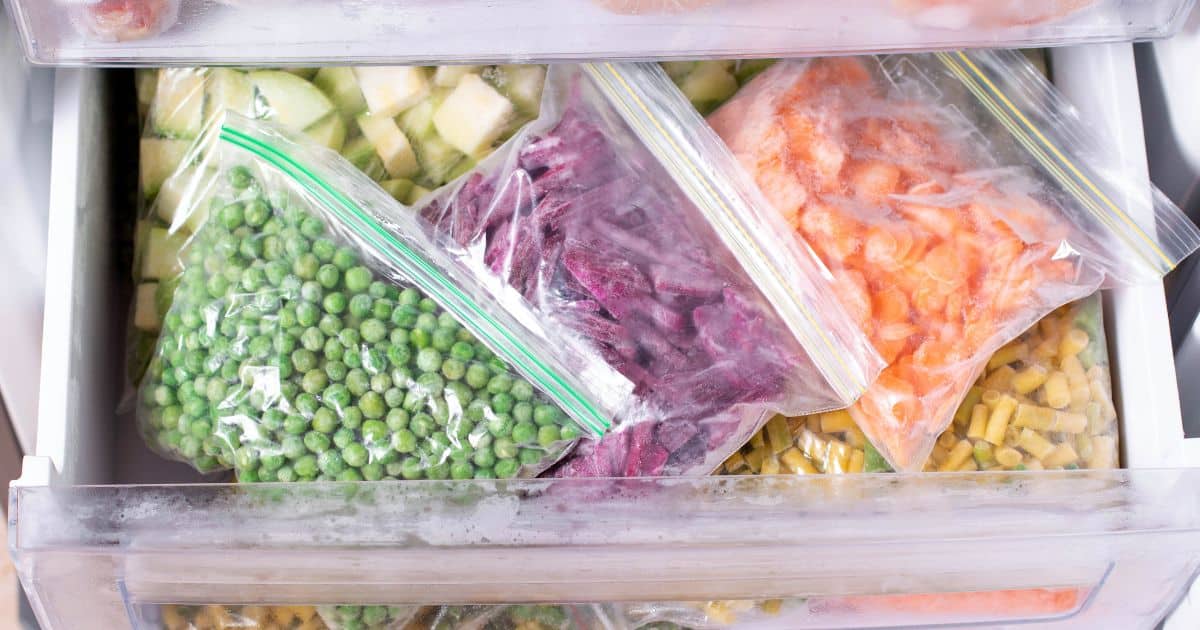
Freezer bags became a household staple because they promised simplicity: place food inside, zip the seal, and store it without taking up much space. They were marketed as an affordable and practical solution for managing leftovers, meal prep, and bulk groceries, which led many families to rely on them daily.
Despite their convenience, these bags were never designed with long-term toxicology or cellular health in mind. As research evolves, scientists are uncovering that the plastics used in these bags behave very differently under freezing, bending, pressure, and temperature changes than consumers were led to believe. What appears to be a harmless storage method may actually be a significant and preventable source of microplastic and nanoplastic contamination in food.
Why Plastic Behaves Differently Under Real-World Conditions
Ziploc-style bags are typically manufactured from polyethylene or polypropylene, materials long considered among the “safer” plastics. However, the safety of a material depends heavily on how it is used, the environment in which it is exposed, and the duration of exposure. When plastic encounters cold temperatures, mechanical stress, moisture, or temperature fluctuations between freezing and thawing, its molecular structure can weaken, crack, or shed microscopic fragments. These fragments are too small to be seen with the naked eye, yet they detach, mix with stored food, and eventually enter the digestive system. For decades, consumers assumed plastic remained inert in their freezers. Still, newer studies show that plastic degradation can occur even in cold environments, especially when bags are repeatedly opened, squeezed, or stacked under pressure.
Microplastics and Nanoplastics in Freezer Bags: An Unseen Contaminant
Microplastics and nanoplastics are tiny plastic particles that form when larger plastics break down through environmental forces or physical stress. Emerging research indicates that freezer bags, even when used as directed, can shed both types of particles. A study analyzing polypropylene food bags found that a single square centimeter of bag surface could release thousands of microplastics and millions of nanoplastics under common household conditions. Considering the full size of a freezer bag, the scale of potential contamination becomes much larger than most people realize. Because these particles are invisible and tasteless, individuals may unknowingly consume them every time they thaw a frozen meal or reheat leftovers stored in plastic initially. Despite the seriousness of this issue, manufacturers seldom disclose that mechanical stress and freezing may accelerate particle shedding.
How Microplastics Enter the Body and Where They Travel
Once microplastics and nanoplastics enter the human body, they do not simply pass through like food fibers. Studies show that particles this small can cross biological barriers, enter the bloodstream, accumulate in tissues, and even reach organs that were previously believed to be protected from foreign particles. Research has detected microplastics in human lung tissue, placentas, breast milk, blood samples, and even within the intestinal lining. Their size allows them to bypass the body’s natural filtration systems, and their chemical composition enables them to interact with cells in ways that researchers are still working to understand. Because these particles are derived from petroleum-based materials, they often contain chemical additives such as plasticizers, flame retardants, and stabilizers that can detach or interact with their surrounding environment.
Potential Health Effects Linked to Microplastics and Nanoplastics
The health implications associated with microplastic exposure are becoming increasingly concerning. Current research links these particles to endocrine disruption, meaning they may interfere with natural hormone signaling pathways that regulate metabolism, growth, reproductive cycles, and stress responses. Studies indicate that microplastics can impair immune function by triggering inflammation or altering how immune cells recognize threats. There is growing evidence that particles this small may influence fertility, fetal development, and overall reproductive function. Additionally, chronic exposure has been associated with higher risks of oxidative stress and DNA damage, two biological processes that can contribute to long-term disease risk. Although the scientific community is still learning about the extent of these effects, the available information suggests significant potential harm.
Why Consumers Weren’t Warned About These Risks
Most households are unaware that everyday freezer bags may shed plastic particles, and the lack of awareness is not accidental. Historically, information about plastic safety has been fragmented, industry-controlled, and slow to evolve. Regulations surrounding consumer plastic products vary widely across regions, and many safety evaluations do not account for real-world usage conditions such as freezing, bending, or temperature fluctuations. Additionally, manufacturers are not typically required to test or disclose the amount of plastic particulate their products release under household conditions. This means consumers have operated under assumptions rather than evidence-based guidance for decades. The growing urgency around microplastic contamination has forced regulators and researchers to pay closer attention, but the information gap remains wide.
The Rising Legal Scrutiny Surrounding Plastic Freezer Bags
A recent class-action lawsuit filed against S.C. Johnson, the manufacturer of Ziploc bags, highlights the growing concern surrounding plastic bag safety. The lawsuit argues that these bags may shed microplastics into food under conditions such as heating or structural stress. Although the suit primarily focuses on heating, the broader issue also applies to freezing and thawing. Legal actions of this scale often reflect deeper scientific or consumer concerns that have been building for years. Regardless of the lawsuit’s outcome, the case signals a growing recognition that plastic freezer bags may not perform as safely as advertised. It also reflects increasing pressure on companies to reevaluate their materials, improve transparency, and address emerging health risks associated with plastic particles.
Why Freezer Bags Are Not the Only Problem, but a Preventable One
Plastic contamination is prevalent across various categories of daily life, including bottled water, takeout containers, microwaveable packaging, and synthetic clothing. However, freezer bags represent a unique exposure pathway because they combine pressure, cold temperatures, and frequent handling. Repeated bending, reshaping, and compressing weaken the plastic structure, causing more particles to shed. Freezing temperatures can also stiffen plastic, making it more susceptible to cracking or fragmenting. Because freezer bags are often used for long-term storage, any instability in the plastic accumulates over time, increasing the number of particles that migrate into food. Unlike larger-scale environmental sources of microplastics, this is an exposure pathway that individuals can directly control by changing their storage habits.
Better Alternatives for Freezing Food Safely Without Chemical Exposure
Several practical alternatives offer superior safety, durability, and storage quality without releasing toxic particles. Glass containers remain one of the safest options for storing and freezing food, providing a reliable solution for maintaining food quality. They are chemically stable, do not leach, and can be used indefinitely when appropriately handled. Wide-mouth mason jars can also be used safely in the freezer when filled below the neck to accommodate liquid expansion. These containers work exceptionally well for soups, sauces, fruits, vegetables, and batch-prepped meals.
Stainless steel containers offer another durable and non-reactive option for storing food, although not all models are designed for freezer use. High-quality stainless steel is inert, resistant to temperature changes, and does not release contaminants into food. These containers are ideal for those who prefer lightweight materials or need storage for lunches, dry goods, or freezer-friendly snacks. Constantly checking the manufacturer’s guidelines ensures that expansion, condensation, or temperature shock will not compromise the container.
Platinum silicone bags and silicone food storage containers have become one of the most effective replacements for single-use freezer bags. Unlike polypropylene or polyethylene, high-quality silicone maintains structural integrity under freezing conditions and does not shed microplastics in the same way. These bags offer flexibility, strong seals, and ease of cleaning, making them especially useful for freezing produce, breads, meats, and pre-portioned meals. While silicone is not entirely without environmental considerations, it represents a substantial improvement over petroleum-based plastics.
How Small Changes Reduce Overall Chemical Burden
Every decision that eliminates a source of particle contamination creates measurable improvements in internal toxic burden over time. Choosing non-plastic containers creates a ripple effect that benefits overall cellular health by minimizing exposure to endocrine disruptors, immune irritants, and chemical additives. These changes align with a broader movement toward reducing hidden environmental toxins in food storage, cookware, cleaning supplies, and personal-care products. Shifting away from plastic freezer bags is one of the most accessible and immediate steps anyone can take to reduce daily exposure without sacrificing convenience or meal-planning efficiency.
A Simple Switch That Supports Long-Term Wellness
Plastic freezer bags hide long-term risks that are finally coming into focus. The science surrounding microplastics makes it clear that even small exposures matter, mainly when they occur repeatedly and accumulate over many years. Replacing disposable freezer bags with alternatives made of glass, stainless steel, or silicone not only protects food quality but also promotes cellular health, hormonal balance, immune resilience, and overall well-being. Food should nourish the body, not introduce synthetic particles that disrupt natural biological systems. Moving away from freezer bags is a straightforward upgrade that protects families, improves health outcomes, and reduces the hidden toxic burden that modern plastics continue to create.
References:
- Yee, M. S., Hii, L. W., Looi, C. K., Lim, W. M., Wong, S. F., Kok, Y. Y., Tan, B. K., Wong, C. Y., & Leong, C. O. (2021). Impact of microplastics and nanoplastics on human health. Nanomaterials, 11(2), 496.https://doi.org/10.3390/nano11020496
- Tsochatzis, E. D., Gika, H., Theodoridis, G., Maragou, N., Thomaidis, N., & Corredig, M. (2024). Microplastics and nanoplastics: Exposure and toxicological effects require important analysis considerations. Heliyon, 10(11), e32261.https://doi.org/10.1016/j.heliyon.2024.e32261