

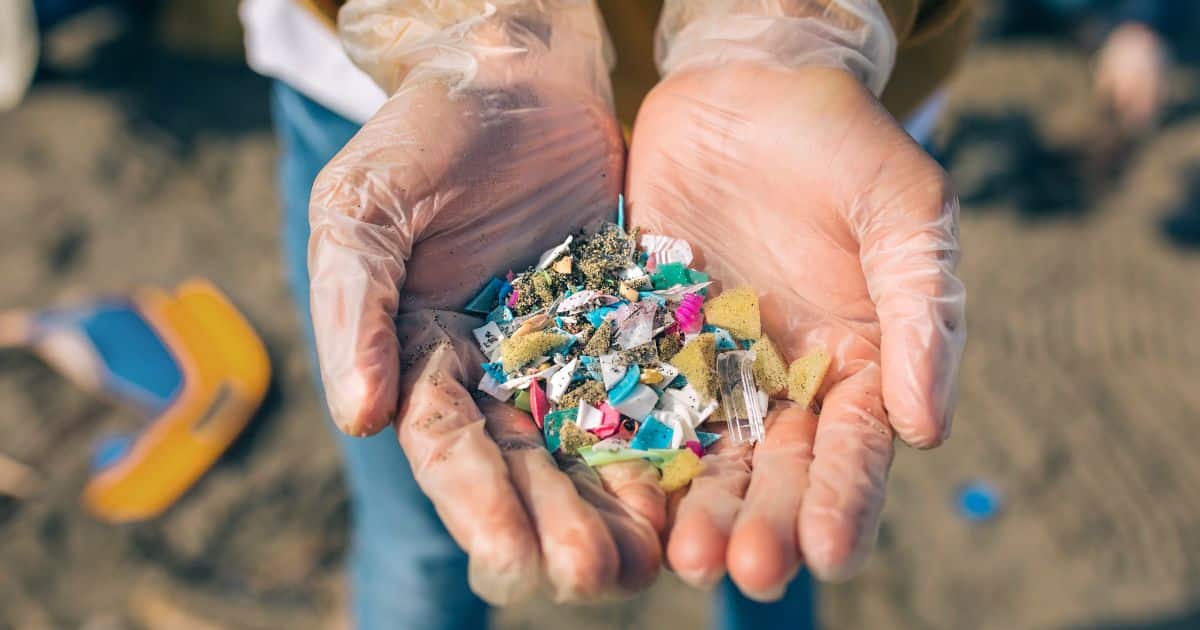
Microplastics are often associated with bottled water, food packaging, and single-use plastics, but everyday kitchen tools can also contribute to exposure. Products used repeatedly for chopping, blending, brewing, and boiling may release microscopic particles when subjected to friction, heat, or mechanical wear. Understanding which items deserve the most attention can make it easier to reduce unnecessary exposure without trying to eliminate every plastic product from the kitchen.
Microplastics are generally defined as plastic particles smaller than 5 millimeters, while nanoplastics are even smaller and measured on the nanometer scale. Because these tiny particles are difficult to detect, earlier research may not have captured the full extent of their presence. Scientists continue to investigate how microplastics and nanoplastics move through food, water, and the environment, and what chronic exposure may mean for human health.
The most practical strategy is not to treat every plastic item equally. Instead, prioritize products that involve heat, friction, repeated use, and direct contact with food or beverages, because these conditions increase the likelihood that particles can enter what is consumed.
#4: Plastic Cutting Boards
Plastic cutting boards are convenient, lightweight, and inexpensive, but repeated chopping gradually damages their surfaces. Each knife stroke creates friction, and the grooves that develop over time indicate mechanical wear. This creates a potential pathway for microscopic plastic particles to become mixed with food during preparation.
A 2023 study published in Environmental Science & Technology investigated the release of microplastics from polyethylene and polypropylene cutting boards. Under the study’s assumptions, the researchers estimated that using polypropylene boards could result in approximately 79.4 million particles being released annually. However, actual exposure will vary depending on the board, food preparation habits, and other factors.
This research does not establish that using a plastic cutting board causes illness. It does, however, demonstrate that ordinary chopping can generate plastic particles, making heavily worn boards a reasonable place to consider a material change.
Solid hardwood and bamboo provide practical alternatives for many kitchen tasks. Plastic boards used for raw meat should also be replaced when they become deeply scored or damaged, both because of material wear and because damaged surfaces can be more difficult to clean effectively.
#3: Plastic Coffee Makers
Coffee makers can contain plastic reservoirs, tubing, filter baskets, and other components that come into contact with heated water. Because brewing involves repeated exposure to elevated temperatures, the materials used along the hot-water pathway are worth considering when replacing an appliance.
The available evidence does not support the conclusion that every plastic coffee maker poses a dangerous exposure risk. However, minimizing unnecessary contact between very hot water and plastic can be a reasonable precaution when choosing new equipment.
Options such as glass French presses, ceramic pour-over brewers, and stainless steel brewing systems can reduce plastic contact during preparation. The goal is not to suggest that coffee itself is harmful, but to recognize that the equipment used to prepare a beverage can influence the materials that come into contact with it.
#2: Plastic Blender Containers
Blenders introduce a different type of stress because their containers are exposed to intense mechanical forces. Ice, frozen fruit, and other hard ingredients can repeatedly strike and scrape the inside of a plastic pitcher while the blades rotate at high speed.
A 2023 study published in the Journal of Hazardous Materials examined plastic blender containers and detected both microplastics and nanoplastics. Under the experimental conditions, researchers estimated that approximately 360 to 780 million particles could be released during 30 seconds of blending, although particle release can differ between appliances and usage conditions.
The finding is particularly relevant to people who frequently use a blender with ice or frozen ingredients. A glass or stainless steel blending container removes the plastic chamber itself as a potential source of particles, while replacing a visibly scratched or damaged pitcher may also be worth considering.
#1: Plastic Electric Kettles
Electric kettles deserve special attention because they combine multiple exposure factors simultaneously. Water is heated to high temperatures inside the appliance and then consumed directly, while the kettle may be used repeatedly throughout the day.
A 2025 University of Queensland study examined polypropylene electric kettles and found that a new kettle released nearly 3 billion microplastic and nanoplastic particles into a 250-milliliter serving during the first boil under the study conditions. The concentration declined substantially after repeated boiling, but particles remained detectable after extended use.
The researchers also found that hard water reduced particle release, potentially because minerals formed a protective layer on the kettle’s interior. These findings demonstrate why checking the material that actually touches the water is more informative than simply looking for a stainless steel exterior.
When replacing a kettle, look for a stainless-steel interior or a glass water-contact surface. Some products marketed as stainless steel may still contain plastic components inside, so product specifications should be checked carefully.
Why Heat and Friction Matter
The potential for plastic particle release depends on more than whether an item contains plastic. Temperature, physical abrasion, frequency of use, and the condition of the material can all influence the extent of wear.
The most relevant factors include:
- Heat: Elevated temperatures can affect plastic materials and particle release.
- Friction: Cutting, grinding, and blending physically wear surfaces.
- Frequency: Daily use creates repeated opportunities for material degradation.
- Food contact: Particles released from food-contact surfaces have a direct pathway into meals and beverages.
- Surface damage: Scratches, cracks, and rough areas indicate significant wear.
This framework makes it possible to prioritize changes rather than approaching every plastic product as equally concerning. A plastic storage container used occasionally at room temperature presents a different exposure scenario from a plastic kettle used to boil water several times a day.
The Highest-Priority Kitchen Swaps
Replacing an entire kitchen at once is unnecessary and expensive. A gradual approach can focus first on products that experience the greatest combination of heat, friction, repeated use, and direct contact with food or beverages.
A practical replacement order is:
- Plastic electric kettle: Choose glass or stainless steel for the water-contact area.
- Plastic blender pitcher: Consider glass or stainless steel, especially for frequent ice or frozen-food use.
- Heavily scratched cutting board: Replace with a solid hardwood or bamboo.
- Hot-water coffee equipment: Choose a brewing method with minimal plastic in the hot-water pathway.
- Plastic food-heating containers: Use glass or ceramic when practical for reheating.
These swaps can be made gradually as existing products wear out. Replacing functional household items solely because they contain plastic is unnecessary; prioritizing the most-used products is a more realistic and sustainable approach.
What About Heating Food in Plastic?
Heating food in plastic deserves additional attention because temperature can influence the migration of substances from food-contact materials. Not every plastic container is designed for heating, and even products labeled for microwave use have specific conditions under which they are intended to be used.
For those seeking to minimize plastic exposure, glass and ceramic containers provide simple alternatives for reheating meals. Moving hot food directly into glass rather than transferring it between several plastic containers can also reduce unnecessary contact.
This does not mean that food heated in plastic automatically becomes unsafe. Exposure depends on the type of plastic, temperature, heating time, food composition, and condition of the container, so the most appropriate takeaway is to reduce avoidable exposure rather than assume that every instance creates a significant health risk.
What Does Microplastic Exposure Mean for Cell Health?
Microplastic research is receiving growing attention as scientists investigate how very small particles may interact with biological systems. Laboratory and experimental research has explored potential relationships with oxidative stress, inflammatory signaling, cellular responses, and other biological processes.
However, laboratory findings should not be interpreted as proof that everyday kitchen exposure causes a specific disease in humans. Researchers are still working to establish how much exposure occurs in real-world settings, which particle characteristics matter most, and what concentrations could have meaningful biological effects.
This distinction is important when discussing environmental health. Reducing unnecessary exposure is a reasonable precaution, but it is not the same as claiming that ordinary kitchen plastics are proven causes of disease. A balanced approach recognizes both the emerging evidence and the significant questions that remain unanswered.
How to Reduce Microplastics Without Going Plastic-Free
A lower-exposure kitchen does not need to be a plastic-free kitchen. Instead, begin by identifying products that are frequently used and exposed to significant heat or friction.
A quick kitchen audit can focus on five questions:
- Does the kettle interior contain plastic?
- Is the blender pitcher heavily scratched?
- Does the cutting board have deep grooves?
- Does hot water pass through plastic components in the coffee maker?
- Can food be reheated in glass or ceramic instead of plastic?
These small decisions can reduce potential exposure without creating unnecessary waste or expense. As products naturally reach the end of their useful lives, replacing them with glass, stainless steel, hardwood, or other suitable alternatives can gradually change the kitchen’s material profile.
The Bottom Line
Research shows that common kitchen activities can generate microplastic and nanoplastic particles, particularly when plastic is exposed to substantial heat or mechanical abrasion. Electric kettles, blender containers, and cutting boards are among the products that have received attention in experimental studies, although the amount of particle release varies considerably between materials and conditions.
The health implications of chronic microplastic exposure remain an active area of scientific investigation. Researchers have identified biological mechanisms that may be relevant to cellular health, but current evidence does not establish that everyday exposure to a particular kitchen appliance causes disease.
For those looking to take practical action, the most logical starting point is to reduce contact with plastic in very hot water, hard or abrasive foods, and heavily worn food-preparation surfaces. Replacing a plastic kettle or blender container, upgrading a damaged cutting board, and using glass or ceramic for heating food are simple changes that can reduce potential exposure without requiring an unrealistic plastic-free lifestyle.
Frequently Asked Questions
Which kitchen items release the most microplastics? Research has identified plastic electric kettles, blender containers, and cutting boards as potential sources of microplastic and nanoplastic particles. A 2025 kettle study detected nearly 3 billion particles in a 250-milliliter serving during the first boil, while a blender study estimated hundreds of millions of particles during a 30-second blending cycle. The amount released varies according to the material, appliance design, temperature, ingredients, and usage conditions.
Do plastic cutting boards release microplastics? Yes, studies have demonstrated that chopping can generate plastic particles from cutting-board surfaces. The amount depends on factors such as the type of plastic, frequency of use, and cutting conditions. Replacing deeply scored boards with hardwood or bamboo can reduce this potential source of damage.
Are microplastics dangerous to human health? The long-term effects of microplastic and nanoplastic exposure are still being investigated. Experimental studies have identified potential biological effects involving oxidative stress, inflammation, and cellular responses, but these findings do not establish specific health outcomes from everyday household exposure. Reducing unnecessary exposure is a reasonable precaution while research continues.
Is glass or stainless steel better for a blender? Glass and stainless steel eliminate the plastic blending chamber as a potential source of particles. This can be particularly relevant when blending ice or frozen ingredients, which can create substantial mechanical abrasion. Appliance compatibility, weight, durability, and safe handling should also be considered when choosing a replacement.
How can microplastic exposure from an electric kettle be reduced? Choosing a kettle with a glass or stainless steel interior can minimize direct contact between boiling water and plastic. Product specifications should be checked carefully because a stainless steel exterior does not necessarily mean the entire water-contact surface is stainless steel. For existing plastic kettles, following the manufacturer’s instructions and avoiding unnecessary exposure to damaged components are reasonable precautions.
What is the easiest way to reduce microplastics in the kitchen? Begin with products that combine frequent use, heat or friction, and direct contact with food or beverages. High-priority changes include using glass or stainless steel for kettles and blender containers, replacing heavily worn plastic cutting boards, and choosing glass or ceramic for heating food. These changes can be introduced gradually as existing products need replacement.
References:
- Zhang X, Yu C, Wang P, Yang C. Microplastics and human health: Unraveling the toxicological pathways and implications for public health. Frontiers in Public Health. 2025;13:1567200. doi: 10.3389/fpubh.2025.1567200
- Snekkevik VK, Cole M, Gomiero A, Haave M, Khan FR, Lusher AL. Beyond the food on your plate: Investigating sources of microplastic contamination in home kitchens. Heliyon. 2024;10(15):e35022. doi: 10.1016/j.heliyon.2024.e35022
- Yee, M. S., Hii, L. W., Looi, C. K., Lim, W. M., Wong, S. F., Kok, Y. Y., Tan, B. K., Wong, C. Y., & Leong, C. O. (2021). Impact of microplastics and nanoplastics on human health. Nanomaterials, 11(2), 496.https://doi.org/10.3390/nano11020496
- Tsochatzis, E. D., Gika, H., Theodoridis, G., Maragou, N., Thomaidis, N., & Corredig, M. (2024). Microplastics and nanoplastics: Exposure and toxicological effects require important analysis considerations. Heliyon, 10(11), e32261.https://doi.org/10.1016/j.heliyon.2024.e32261