

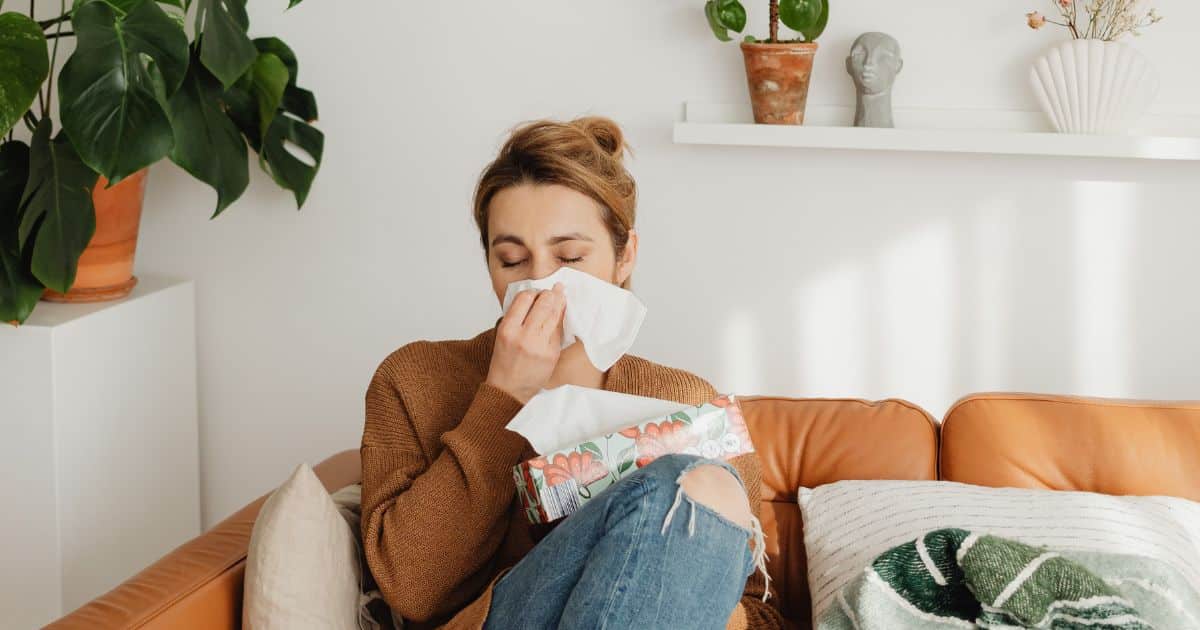
Spring often signals renewal, drawing people outdoors with longer days, blooming landscapes, and a noticeable shift in temperature and light. Alongside these seasonal changes, however, comes a dramatic increase in airborne pollen, which can quickly transform a pleasant environment into a source of persistent discomfort for many individuals. While some experience only minor irritation, others find themselves dealing with ongoing congestion, sinus pressure, watery or itchy eyes, disrupted sleep, and even cognitive sluggishness that interferes with daily functioning. Conventional approaches to managing these symptoms often focus on suppressing the body’s reactions. Yet, this perspective may overlook a broader, more effective strategy rooted in reducing overall toxic burden and supporting immune resilience.
How Exposure and Inflammation Affect Allergies
Seasonal allergies are not solely the result of pollen presence; rather, they emerge from the interaction between environmental exposure and the body’s inflammatory response. When allergen load increases while the immune system is already under strain, symptoms tend to intensify. This means that addressing allergies effectively involves more than reacting to symptoms; it requires minimizing cumulative exposure while simultaneously strengthening the body’s ability to regulate immune responses. A low-toxicity approach prioritizes both reducing the number of irritants entering the body and creating internal conditions that make those exposures less disruptive.
Nutrient-Dense Herbal Support for Histamine Balance
During allergy season, histamine activity tends to rise, contributing to many of the familiar symptoms associated with springtime sensitivities. One traditional botanical that has gained attention for its supportive role is stinging nettle, valued for its potential to modulate histamine responses. Preparing nettle as a long-steeped infusion, rather than a quick tea, allows for a more complete extraction of minerals and plant compounds that contribute to its benefits. This method yields a beverage rich in nutrients such as magnesium, iron, and potassium, as well as plant-based compounds like quercetin, which are often associated with immune regulation. Rather than suppressing symptoms outright, this approach aims to nourish the systems involved in inflammatory balance.
Gradual Environmental Adaptation Through Local Honey
Exposure to small amounts of regional pollen may help the immune system adapt over time, and raw local honey is sometimes used as a gentle way to introduce these trace elements. Unlike highly processed commercial varieties, raw honey retains naturally occurring pollen particles that reflect the surrounding environment. Regular, moderate consumption during allergy season may support a more balanced immune response, though effects are typically gradual. This strategy aligns with the idea of building tolerance through low-level exposure.
Improving Indoor Air Quality to Reduce Allergen Burden
Although pollen originates outdoors, it rarely remains there and can easily enter indoor spaces through open windows, clothing, pets, and ventilation systems. Once inside, these particles can accumulate and continue to trigger immune responses long after outdoor exposure has ended. High-efficiency air filtration systems equipped with HEPA filters are particularly effective at capturing airborne allergens such as pollen, dust, and mold spores. Prioritizing cleaner air in sleeping environments is especially impactful, as extended nighttime exposure to purified air may help reduce morning congestion and overall inflammation.
Eliminating Synthetic Fragrances to Reduce Respiratory Stress
In addition to pollen, many indoor environments contain synthetic fragrances that can further irritate already sensitive airways. Products such as scented candles, plug-in air fresheners, fragranced detergents, and cleaning sprays often release volatile organic compounds into the air, contributing to respiratory irritation. During allergy season, when the immune system is already heightened, reducing these additional chemical exposures can significantly ease the overall burden on the body. Opting for fragrance-free or naturally scented alternatives creates a more neutral environment that supports recovery.
Optimizing HVAC Systems for Seasonal Air Quality
Heating and cooling systems play a major role in circulating indoor air, especially during transitional seasons when temperatures fluctuate. Standard air filters may not effectively capture fine particles, such as pollen, which can recirculate throughout the home. Upgrading to higher-efficiency filters designed to trap smaller particulates can improve indoor air quality, provided the system can handle the increased filtration without restricting airflow. Regularly replacing these filters is equally important, as buildup can reduce effectiveness and strain the system, ultimately compromising both air quality and equipment performance.
Reducing Pollen Transfer Through Personal Hygiene Practices
Outdoor activities, while beneficial for overall well-being, can significantly increase pollen exposure, as particles readily cling to skin, hair, and clothing. Without proper hygiene practices, these allergens can easily be transferred into indoor spaces, where they can embed in furniture, bedding, and fabrics. Showering and changing clothes after spending extended time outdoors can substantially limit the amount of pollen introduced into the home. Even simple actions, such as rinsing exposed skin, can help minimize ongoing exposure.
Managing Window Ventilation Based on Pollen Levels
Fresh air is often associated with cleanliness and vitality, yet during peak pollen periods, open windows can serve as entry points for allergens. Being selective about when to ventilate indoor spaces can make a noticeable difference in exposure levels. Early mornings and periods after rainfall tend to have lower airborne pollen concentrations, making them more suitable times to open windows. Monitoring daily pollen counts and adjusting ventilation habits accordingly allows for a balance between fresh air and reduced allergen intake.
Maintaining a Clean Sleep Environment Through Regular Washing
Bedding can quickly become a reservoir for pollen during allergy season, especially when particles settle on sheets and pillowcases overnight. Regular washing in hot water helps remove accumulated allergens, dust mites, and other irritants that may contribute to inflammation. Creating a cleaner sleep environment supports more restful recovery and reduces the likelihood of waking up with intensified symptoms. Consistency in this practice is key, as ongoing exposure can otherwise negate progress made through other interventions.
Hydration as a Foundation for Mucosal and Lymphatic Function
Adequate hydration plays a crucial role in maintaining the body’s natural ability to manage allergens, particularly by regulating mucus consistency and lymphatic flow. When hydration levels are sufficient, mucus remains thinner and more mobile, allowing the body to clear irritants more efficiently. Additionally, proper fluid intake supports detoxification pathways that help remove inflammatory byproducts. Maintaining steady hydration throughout the day is more effective than attempting to compensate with large amounts of water in a short period.
Mechanical Removal of Allergens Through Saline Rinsing
Saline nasal rinsing offers a straightforward and effective way to physically remove pollen from the nasal passages, reducing the triggers that lead to immune overreaction. This method works by flushing out accumulated particles, thereby decreasing congestion and sinus pressure. Regular use during peak allergy periods can provide noticeable relief, especially when combined with other strategies that lower overall exposure. It is essential to use properly sterilized or distilled water to ensure safety and effectiveness.
Nutritional Strategies to Support an Anti-Inflammatory State
Diet plays a significant role in shaping the body’s inflammatory response, which directly impacts the severity of allergy symptoms. Consuming foods rich in vitamin C, antioxidants, and essential fatty acids can help support immune balance and reduce reactivity. Leafy greens, fresh fruits, high-quality proteins, and healthy fats such as olive oil and omega-3 sources contribute to a more stable internal environment. At the same time, minimizing intake of highly processed foods, refined sugars, and inflammatory oils can prevent unnecessary amplification of immune responses.
Managing Pet-Related Allergen Transfer Indoors
Pets that spend time outdoors can inadvertently carry pollen into the home on their fur, distributing allergens across surfaces and fabrics. Implementing simple practices, such as wiping down animals with a damp cloth after outdoor exposure, can significantly reduce this transfer. Regular grooming and cleaning routines further help maintain a lower allergen load within indoor environments. These small adjustments contribute to a more controlled and supportive living space during allergy season.
Creating a Balanced Approach to Seasonal Exposure
Seasonal allergies can be viewed as an indicator of how much environmental stress the body is managing at any given time. While it is not possible to control external factors such as pollen production or weather patterns, it is possible to influence internal resilience and immediate surroundings. By reducing unnecessary exposures, improving air quality, supporting hydration and nutrition, and incorporating gentle, consistent practices, the overall burden on the immune system can be significantly lowered. This integrated approach does not aim to eliminate the experience of spring, but rather to allow greater comfort and participation in it with fewer disruptions.
References:
- Vijayan, V. K., Paramesh, H., Salvi, S. S., & Dalal, A. A. (2015). Enhancing indoor air quality – The air filter advantage. Lung India, 32(5), 473–479. https://doi.org/10.4103/0970-2113.164174Erratum in: Lung India. 2016 Nov-Dec;33(6):705. https://doi.org/10.4103/0970-2113.192883
PMID: 26628762 | PMCID: PMC458700 - Sublett, J. L. (2011). Effectiveness of air filters and air cleaners in allergic respiratory diseases: a review of the recent literature. Current Allergy and Asthma Reports, 11(5), 395–402. https://doi.org/10.1007/s11882-011-0208-5
PMID: 21773748 | PMCID: PMC3165134 - Bockmühl DP, Schages J, Rehberg L. Laundry and textile hygiene in healthcare and beyond. Microbial Cell. 2019 Jul 1;6(7):299–306. doi: 10.15698/mic2019.07.682. PMID: 31294042; PMCID: PMC6600116
- Aw Yong, P. Y., Islam, F., Harith, H. H., Israf, D. A., Tan, J. W., & Tham, C. L. (2021). The potential use of honey as a remedy for allergic diseases: A mini review. Frontiers in Pharmacology, 11, 599080. https://doi.org/10.3389/fphar.2020.599080Scheiber, A., & Mank, V. (2023). Anti-inflammatory diets. In StatPearls. StatPearls Publishing. Available from https://www.ncbi.nlm.nih.gov/books/NBK597377/
- Karr G, Quivet E, Ramel M, Nicolas M. Sprays and diffusers as indoor air fresheners: Exposure and health risk assessment based on measurements under realistic indoor conditions. Indoor Air. 2022;32(1):e12923. doi: 10.1111/ina.12923. PMID: 34449928.